Luminous by Design: The Radiance of White Gold
If you’ve ever browsed a jewelry collection, you’ve seen it: that crisp, silvery-white glow that makes diamonds look like they’re floating and gives colored gemstones a sharp, vivid intensity.
That’s white gold—the cool, younger sibling of the gold family. It’s refined, modern, and incredibly versatile.
While yellow gold carries a traditional, royal quality, white gold serves as a high-end option for a modern wardrobe. It appeals to those who value the prestige of gold, but prefer a sleek aesthetic that transitions effortlessly from a casual white t-shirt to a formal dress.
Let’s break down everything you need to know about this metal, from the secret science of its color to how to keep it looking brand new for decades.
The Secret Is in the Mix
The first thing to understand about white gold is a bit of a plot twist: it isn't found in nature. Because all gold is naturally warm and yellow, jewelers must perform a process called alloying, where they take pure 24kt gold and mix it with cooler metals, which yields the iconic silvery hue we recognize as white gold.
The Ingredients of White Gold
Since pure gold is actually very soft, it has to be mixed with stronger metals to make it durable enough for jewelry. When making white gold, jewelers typically use one of two main whitening agents:
- Nickel: This is the most common choice. It’s very hard, which makes the jewelry durable, and it does a great job of neutralizing the natural yellow tones of the gold.
- Palladium: This is a member of the platinum family. It’s a bit more expensive than nickel, but it’s naturally white and hypoallergenic, making it less likely to irritate skin.
Choosing Your Finish
The final appearance of white gold largely depends on whether the metal is left in its organic state or finished with a specialized coating. In its raw form, white gold possesses a distinct, warm character. Because it’s an alloy of pure gold and white metals, it naturally carries a soft, creamy undertone—often compared to the color of champagne or aged parchment. Some prefer this look for its vintage appeal, and the way it develops a unique patina over time without the need for periodic maintenance.
However, to achieve the ultra-bright, chrome-like luster often associated with modern jewelry, the metal is typically finished with a protective plating. While various precious metals can be used to achieve specific effects, a dip in white rhodium—a rare member of the platinum family—is the most common. This final step acts much like a high-tech clear coat on a luxury vehicle, providing a highly reflective brilliance that masks the metal’s underlying warmth for a perfectly neutral finish. Beyond the aesthetic, the plating serves as a resilient barrier, adding a layer of hardness that helps the piece resist minor daily wear and maintain its polished appearance over time.
Whether you prefer the understated glow of the natural alloy or the icy radiance of a plated finish, both options offer a sophisticated way to experience the prestige of white gold.
Understanding Karats and Color
You’ll typically see white gold sold in 14kt or 18kt. That karat designation indicates how much pure gold is in the mix. Think of it like a recipe: a higher karat means there is more gold and less of the other metals.
- 14kt White Gold: This is about 58% pure gold. Because there is more room for whitening alloys (the other 42%), 14kt white gold is often naturally whiter and much harder. As the more durable option, it’s perfect for engagement rings or pieces you wear to the gym or office.
- 18kt White Gold: This is 75% pure gold. Because there is so much yellow gold in the mix, it’s harder to hide the color. 18kt white gold often has a richer, heavier feel on the hand, and it might require rhodium plating more often to keep it looking bright white.
14kt vs. 18kt
Choosing between 14kt and 18kt white gold mainly comes down to how you plan to wear the piece. If you have an active lifestyle and want jewelry that can handle the bumps and scratches of daily life, 14kt is a smart choice. If you prefer a piece with a higher gold content and a heavier, more substantial feel on the hand, 18kt might be for you.

Anniversary Savings Applied!


Anniversary Savings Applied!

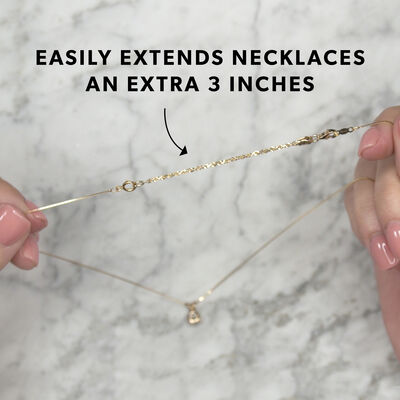
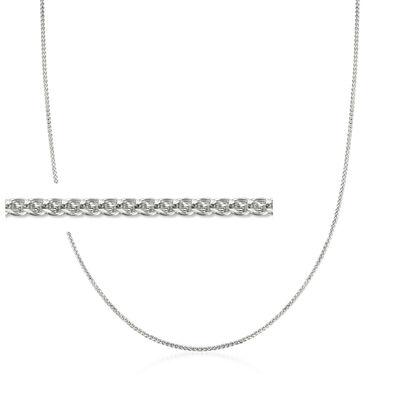



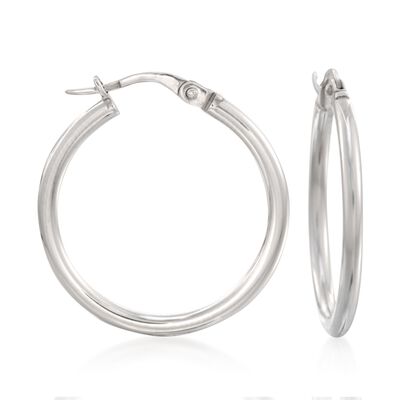

Anniversary Savings Applied!
Anniversary Savings Applied!
White Gold vs. The "Look-Alikes"
From a distance, white gold, platinum, palladium and sterling silver all look fairly similar—but once you put them on your skin and wear them over time, the differences become clear.
White Gold vs. Platinum
Platinum is an entirely different element than white gold. It’s naturally white, much denser, and no plating is needed. If you held a white gold ring in one hand and a platinum ring of the same size in the other, the platinum piece would feel significantly heavier.
The biggest consideration is that platinum is much softer, scratches easily and develops patina—a softly brushed, matte look—over time. White gold on the other hand, stays shiny and crisp longer because of its rhodium coating.
White Gold vs. Sterling Silver
Silver is beautiful, but it’s the high-maintenance friend of the group. While silver eventually tarnishes when exposed to air or oils on the skin, white gold remains stable and bright. This resistance to discoloration makes white gold a superior choice for long-term wear. Though silver works well for trendy fashion pieces, white gold serves as the standard for investment or heirloom jewelry because it holds both its value and pristine look over decades.
White Gold vs. Palladium
Palladium serves as a lighter alternative to platinum. While it is naturally white and highly durable, its density and high melting point make it much more challenging for jewelers to work with. White gold, by comparison, serves as the "Goldilocks" choice: it is widely available, easy to repair, and simple to resize, offering a perfect balance of beauty and practicality.
Durability, Care and Comfort
When it comes to durability and care, white gold is an excellent choice for pieces intended to last a lifetime. One of its best qualities is its dependability; the alloy blend provides structural strength without making the jewelry feel bulky or heavy.
While white gold is certainly built to last, years of daily wear may eventually soften its high-polished luster or begin to reveal the gentle, warmer tones of the metal beneath. For those who wish to return a piece to its day-one brilliance, a professional rhodium replating is an option.
If you are looking to refresh a piece, check with your original jeweler first, as some brands provide specific maintenance programs for their own designs. You can also research local jewelers to confirm details and pricing. Because rhodium is a high-value precious metal, this service is a conscious investment in upkeep rather than a standard cleaning.
Skin Sensitivity
Nickel is a common component in many white gold mixes, but it can cause reactions for people with metal sensitivities. If this is a concern, look for jewelry specifically labeled as nickel-free or crafted with palladium. These premium alloys offer the same beautiful look as standard white gold, but are much gentler on the skin.


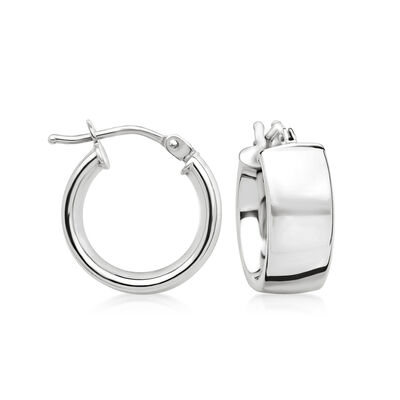

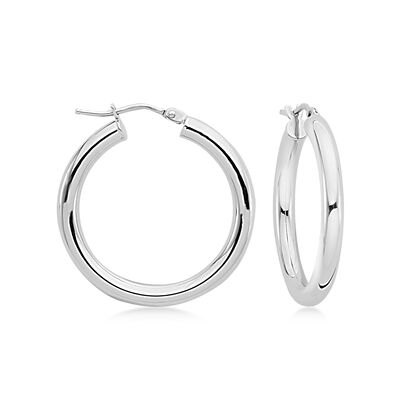
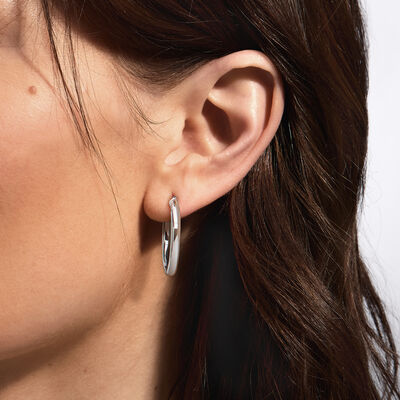
Anniversary Savings Applied!
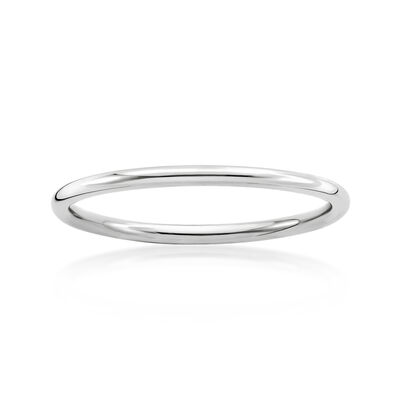

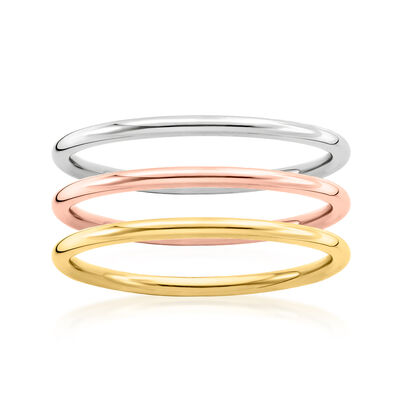
Anniversary Savings Applied!


Anniversary Savings Applied!
Anniversary Savings Applied!
The Perfect Backdrop for Gemstones
There is a reason why almost all high-end diamond engagement rings use white gold or platinum prongs, even if the band is yellow gold, and that’s “the mirror effect.”
When a diamond is set in white gold, the metal acts like a mirror and reflects the stone’s colorless brilliance, which makes it appear larger and more radiant. Conversely, if you put a high-quality colorless diamond in a yellow gold setting, the yellow metal can actually reflect its own golden tones onto the stone, making a perfectly clear diamond look slightly tinted.
White gold also serves as the ideal foundation for cool-toned gemstones, as its neutral backdrop allows their natural colors to stand out with greater intensity. A deep blue sapphire, for instance, gains a striking regal quality when set against such a crisp, white surface. Similarly, the metal enhances the watery, light blue clarity of an aquamarine, and provides a sharp, modern contrast that makes the rich green of an emerald appear even more vivid.
A Quick History Lesson
Beyond its ability to enhance gemstones, white gold has a fascinating history that changed the jewelry industry forever. It didn't just appear out of thin air; it was an intentional innovation designed to bridge the gap between the affordability of silver and the prestige of platinum.
During the early 1900s Art Deco era, white metals were at the height of fashion. The aesthetic of this period favored jewelry that reflected the look of industrial skyscrapers and airplanes—sleek, geometric, and silver-toned. At the time, they turned to platinum.
However, during World War II, the government needed platinum for military equipment, so jewelry makers were forced to find a suitable alternative, which started the pursuit to perfect the recipe for white gold. Consumers quickly discovered that white gold was not only more accessible than platinum, but also more resistant to scratches while maintaining the same sophisticated appearance. By the mid-20th century, it had transitioned from a wartime alternative to a permanent favorite in fine jewelry.
How to Shop for Quality
When you’re looking for a white gold piece that will last a lifetime, it’s important to give as much attention to the details as the price tag:
- Finish: A high-quality piece will have a smooth, mirror-like finish with no "pitting" (tiny little holes) in the metal.
- Weight: It should feel substantial in the hand, not thin or fragile.
- Prongs: Prongs should be sturdy, but neatly finished so they don't snag on garments.
The Understated Elegance of White Gold
White gold is all about refined luxury. It offers all the prestige of 14kt or 18kt gold in a cool, polished tone that serves as an elegant foundation for any aesthetic.
Choosing white gold over yellow gold is often a strategic decision based on versatility and gemstone enhancement. While yellow gold offers a traditional warmth, white gold provides a crisp, neutral canvas. This allows the natural fire of diamonds to take center stage without the risk of yellow light casting into the stone.
A true stylistic chameleon, white gold transitions seamlessly across any lifestyle or environment, carrying the same effortless grace whether paired with a leather jacket or a silk gown. It possesses a rare duality – resilient enough to withstand the momentum of daily life, yet beautiful enough to become a cherished heirloom.
This is brilliance and thoughtful craftsmanship at its most adaptable. Once you experience how easily it elevates your collection, you’ll understand why white gold remains a beloved favorite.