The Gold Standard: A Lasting Love for Yellow Gold
There is something inherently comforting about yellow gold. Before we look at karat counts or alloy ratios, we recognize that specific, sun-drenched glow. It’s the color of a grandmother’s wedding band, the buttery shine of an Italian-made Byzantine bracelet, and the glimmer of ancient treasures in a museum. While other metals like platinum or rose gold drift in and out of fashion, yellow gold remains the steady heartbeat of the jewelry world.
Let’s take a deep dive into the world of yellow gold—from the science of its glow to the best ways to style it today.
The Recipe: What Makes Gold Yellow
When you think of yellow gold, you might picture a warm and sunny hue, but in its purest form the metal is actually a vivid orange-yellow. Not only is the color more saturated, but the composition is also incredibly soft—think of it like a firm piece of clay. If you made a ring out of pure 24kt gold, it would bend out of shape the first time you gripped a steering wheel.
Since gold is too delicate for the demands of modern life in its natural state, jewelers "alloy" it by marrying the pure metal with stronger elements to create a more enduring material.
The Balancing Act of Alloys
Yellow gold derives its signature hue from a precise and intentional blend of alloys that highlights its natural radiance, allowing it to “feel” warmer than other metals. While cooler metals like white gold act as a mirror—reflecting icy, blue wavelengths of the environment—the presence of copper and silver in yellow gold shifts that reflection towards longer, amber-hued waves of the spectrum. This creates a literal visual “heat” that mimics the glow of the sun.
To achieve this, jewelers rely on a classic, steady proportion of alloys:
- Copper provides structural strength and adds a touch of warm redness.
- Silver acts as the cooling agent, brightening the yellow and keeping it from looking too brassy.
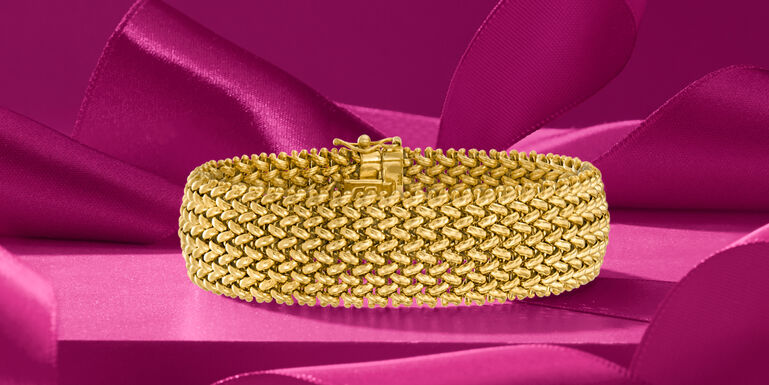
The beauty of this process is that every jeweler has a slightly different "secret sauce." This is why an antique Victorian locket might look a bit greener or softer than a radiant Italian gold chain. In the past, goldsmiths didn't have digital scales, they worked by eye and by what metals were available. Rather than just buying a commodity, selecting yellow gold means choosing a unique warmth and personality that a goldsmith carefully brought to life.
A Lesson from the Ancients: Electrum
Long before 10kt, 14kt and 18kt gold became the industry standards, the ancients turned to electrum—a naturally occurring alloy of gold and silver found in riverbeds. (The Lydians used it to mint the world's first coins around 600 B.C.!) Electrum has a pale, buttery, champagne yellow color that is still highly sought after by designers today who want to capture an organic, historical aesthetic.

Anniversary Savings Applied!

Anniversary Savings Applied!


Anniversary Savings Applied!


Anniversary Savings Applied!
Anniversary Savings Applied!
Anniversary Savings Applied!
Anniversary Savings Applied!
Anniversary Savings Applied!
Decoding the Karat: 10kt, 14kt and 18kt
If you’ve ever looked at the tiny stamp on the inside of a ring—the hallmark—you’ve seen a number followed by a "K" or "kt,” which stands for karat.
The karat system is a simple way to measure gold content based on 24 equal parts. Think of it as a 24-part recipe that determines the jewelry's value and strength:
- 24kt Gold: Contains 24 parts pure gold. Because it contains no other metals, it is very soft and vivid orange-yellow—best for investment pieces or ceremonial jewelry rather than daily wear.
- 18kt Gold: Contains 18 parts gold and 6 parts alloy. It offers a rich, deep color and a heavier feel—best for fine occasion jewelry and high-end engagement rings.
- 14kt Gold: Contains 14 parts gold and 10 parts alloy. This is the most popular choice because it balances a beautiful glow with excellent durability—best for everyday jewelry like wedding bands and staple chains.
- 10kt Gold: Contains 10 parts gold and 14 parts alloy. This is the most affordable and hardest-wearing option—best for active lifestyles or jewelry that needs to withstand heavy use.
This 24-part scale tells you exactly how much gold is in your jewelry versus how much is made of the "structural" metals used to keep the piece strong and in shape.
Since pure 24kt gold is rarely utilized for standard pieces, let’s explore the three most common karats you will encounter when building a jewelry collection.
18kt Gold: The Luxury Choice
At 75% pure gold, 18kt gold is where you start to feel the physical weight of the metal. It’s noticeably heavier than 14kt gold, and the color is much more saturated—a deep, royal yellow that maintains a vibrant, golden presence in any setting. Because it is softer, 18kt gold is often reserved for high-end statement pieces, or for earrings and necklaces that aren't subjected to the same daily friction and impact as a ring on your finger.
14kt Gold: The Sweet Spot
In North America, 14kt gold is the undisputed champion. It is 58.5% pure gold and hits the "Goldilocks" zone: rich enough in color to look distinctly golden, but strong enough to hold onto diamonds and gemstones securely for decades. If you’re buying an engagement ring or a "forever" piece, 14kt gold almost always yields the best balance of beauty and durability.
10kt Gold: The Workhorse
10kt gold is about 41.7% pure gold. Because it contains more alloy metals than gold content, it is incredibly hard and scratch-resistant, making it a go-to choice for those with high-intensity jobs or anyone looking for a beautiful piece that is budget-friendly. It has a slightly paler yellow tone, which some prefer because it feels more subtle for everyday wear.
Solid, Filled, or Plated: Understanding the Layers
When comparing gold jewelry, the best choice often depends on how—and how often—you plan to wear it. Understanding the physical construction of a piece helps you match the gold’s purity to your specific lifestyle and long-term expectations.
- Solid Gold: As the name suggests, this is gold all the way through. Solid gold offers a lifetime of wear, as the metal is uniform from the surface to the core and cannot be rubbed or worn off.
- Gold-Filled: A thick sheet of gold is mechanically bonded (pressed) onto a base metal like brass. To be called "gold-filled," the gold layer must be at least 5% of the piece's total weight. Gold-filled jewelry offers a distinct balance of durability and accessibility, making it a versatile option.
- Gold Plated: Gold plating provides a bright, classic luster by applying a thin layer of gold to a foundational metal. It’s well-suited to decorative or occasional wear, prioritizing a specific aesthetic for pieces that aren't intended for the rigors of a lifelong heirloom.
Character and Composition
One of gold’s greatest qualities is its categorization as a 'noble' metal—a chemical property that makes it naturally resistant to oxidation. While silver eventually tarnishes, gold remains remarkably stable, retaining its original luster over decades.
The Beauty of Patina
While gold doesn't tarnish, it does age. As you wear a gold ring, it picks up thousands of tiny, microscopic scratches. Over years, these scratches blend together to create a soft, satiny finish called a patina. Many collectors of vintage jewelry actually prefer the look of patina over a high-polish finish because it tells a story, reflecting a lifetime of daily use and affection.
For those that prefer a mirror shine, a professional jeweler can easily buff out scratches—but it’s important to remember that every time you polish gold, you are technically removing a tiny, microscopic layer of metal. For that reason, it’s best to save professional polishing for special occasions or once-a-year tune-ups.
Comfort for Sensitive Skin
When it comes to sensitive skin, yellow gold is a safe haven. Most jewelry allergies are actually triggered by nickel, a metal often used to "bleach" gold to make it look white. Because yellow gold doesn't need to be bleached, high-quality 14kt and 18kt yellow gold is almost always nickel-free. It’s hypoallergenic and kind to your skin.
Anniversary Savings Applied!
Anniversary Savings Applied!
Anniversary Savings Applied!


Anniversary Savings Applied!
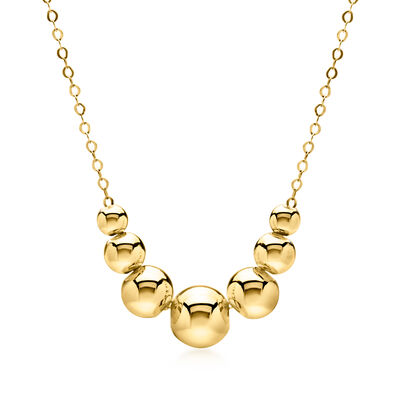
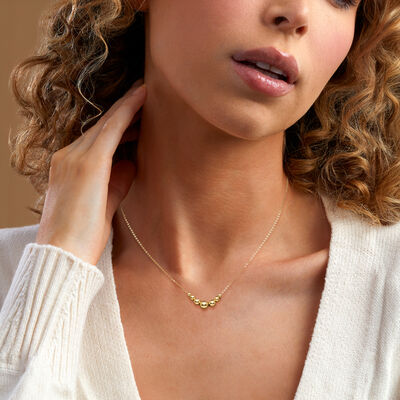
Anniversary Savings Applied!
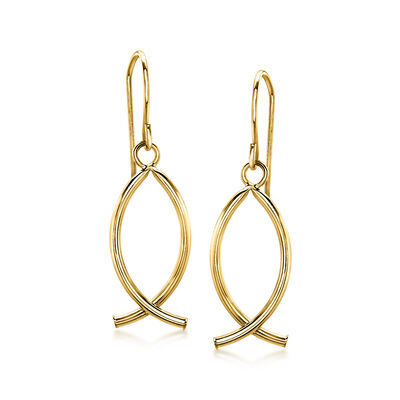

Anniversary Savings Applied!
Anniversary Savings Applied!
Anniversary Savings Applied!
Anniversary Savings Applied!
Anniversary Savings Applied!
Anniversary Savings Applied!
Anniversary Savings Applied!
Styling Your Gold Today
Yellow gold has transcended past style cycles to reclaim its position as a premier choice for the modern era. Far from being a relic of the past, it is now celebrated as the essential foundation of contemporary luxury.
The Power of the Stack
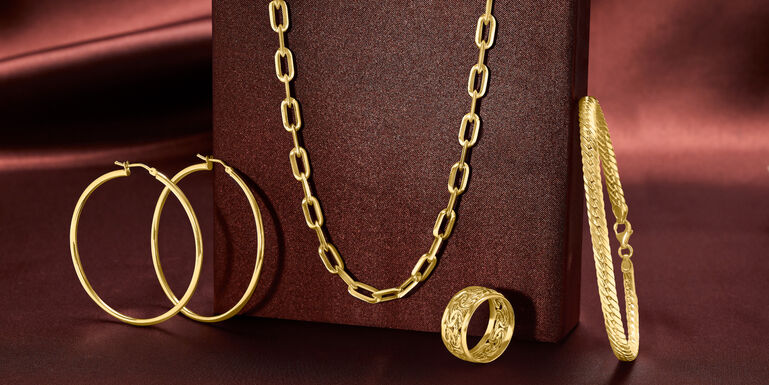
The most modern way to wear yellow gold is through intentional layering, allowing you to mix different styles to suit your mood. Imagine pairing a classic 14kt cable chain with a more substantial paper clip link strand for contrast, then finishing the look with a signature pendant. Gold’s inherent warmth harmonizes these different textures, yielding a result that feels intentionally curated and cohesive.
The Art of the Mix
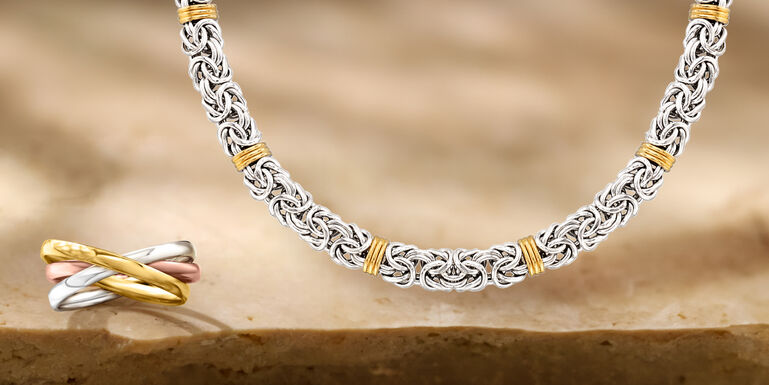
Today’s jewelry styling has moved toward a more fluid, mixed-metal aesthetic. Embracing a blend of yellow gold with white gold or sterling silver is a wonderful way to create a look that feels both effortless and dimensional. To create a seamless transition, many stylists recommend using a ‘bridge piece’—such as a two-tone watch or a ring—to unify the different tones and pull the look together.
Gemstone Pairings
Yellow gold is a "warm" metal, which means it plays incredibly well with "warm" stones. Think of the fire in an opal, the deep red of a ruby, or the forest green of an emerald. These stones look rich and grounded when set in yellow gold.
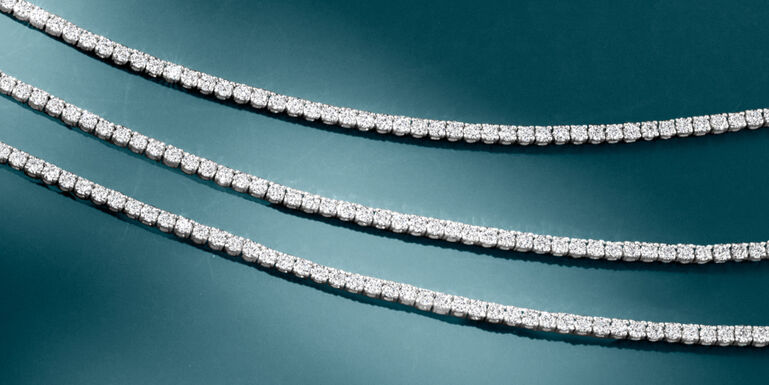
Of course, there are few pairings as iconic as yellow gold and diamonds. While cooler metals offer a stark, icy contrast, yellow gold provides a foundational warmth that maximizes a diamond’s brilliance. The metal’s rich tone naturally harmonizes with stones of slightly warmer color grades, creating a final look that appears remarkably bright and luminous.
How to Shop Like a Pro
When browsing for a new piece, it’s important to consider craftsmanship just as much as price.
Here are some key factors to think about:
- The Weight: High-quality gold jewelry should possess a certain heft that matches its visual scale. While lighter constructions are still genuine gold, they can be more susceptible to denting and harder to repair over time.
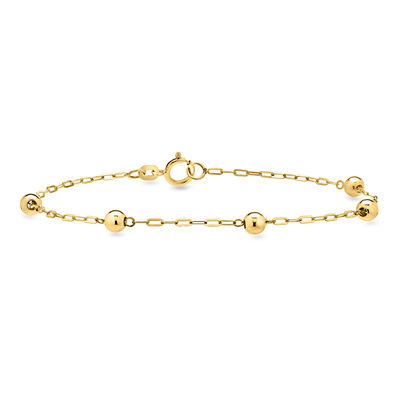
- The Clasp: A piece of jewelry is only as secure as its closure. Beyond the aesthetics of the links, ensure the clasp feels substantial and operates smoothly. A well-made, durable closure is a sign of superior craftsmanship.
- The Hallmark: Always look for the official stamp—such as 10kt, 14kt, or 18kt—to verify the gold’s purity. This hallmark is an industry standard designed to protect the consumer, ensuring the piece meets the rigorous requirements of its classification.
A Legacy in Your Jewelry Box
Choosing yellow gold comes down to a balance of character, convenience and stylistic preference. Many people prefer yellow gold over white gold because it offers a rare combination of low maintenance and high personality—it never loses its color; unlike white gold, it doesn't require periodic replating to maintain its finish; and it lacks the iciness of white gold, instead exuding a warmth that feels welcoming and reflective of history's most well-known jewelry.
Yellow gold carries a connection to legacy that has captivated humanity for thousands of years. From the ornate burial masks of ancient Egypt to the transformative gold rushes of the American West, this metal has served as the ultimate catalyst for explorers and artists throughout history.
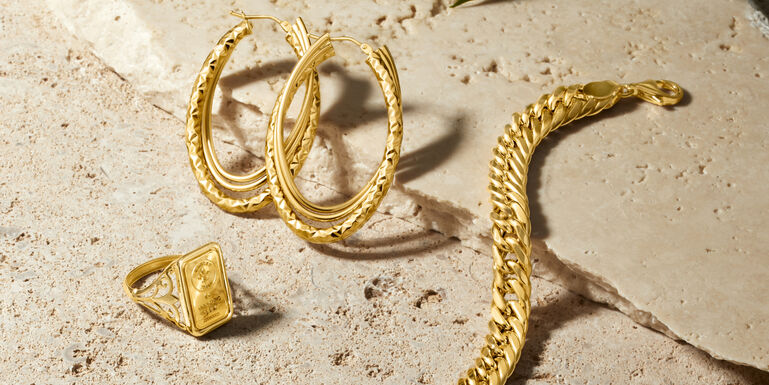
But on a smaller, more personal scale, yellow gold is all about the everyday. It’s the hoop earrings you throw on to feel put-together for a grocery run, the signet ring you tap on the desk while working, and the chain that catches the light during a sunset dinner.
Yellow gold remains one of the most enduring choices in jewelry, consistently proving its value across generations. It was beautiful four thousand years ago, it’s beautiful today, and it will be just as stunning when it’s passed down to the next generation.
It remains, perhaps, the most timeless material in the wide world of jewelry.