
Pearl Shapes
Pearls are some of the most coveted gems in the world. They offer a rare touch of natural beauty that people love to incorporate into their everyday fashion. Adding to their popularity, they can be found in an array of unique shapes and colors that make them stand out from the crowd.
Most pearls are a soft glowing white with overtones of rose, gold, or green. Others boast a natural black or blue coloring, which makes them equally striking in jewelry. However, their most remarkable feature of all is their unique shape. Below are the eight most common pearl shapes and what makes each distinctly advantageous for jewelry.
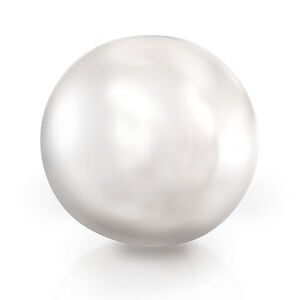
Round — Round pearls are the rarest, and therefore the most valuable shape on the market today. Unfortunately, less than 10% of each year's harvest are perfectly round, making them incredibly expensive for collectors. The perfectly round shape is ideal and can make your pearl jewelry valuable heirlooms for your children and grandchildren to enjoy for decades to come. Round pearls are most commonly found in Akoya pearls, but can be found in all varieties.

Semi‐Round — Semi‐round pearls can be just as beautiful in appearance as those that are round, but are more affordable and easier to find. From a distance, they can look perfectly round, so it is only upon closer inspection that you can see slightly flat edges. Oftentimes, microscopic testing is required to determine whether a pearl is perfectly round or semi‐round. We recommend these for anyone looking for high‐end pearl jewelry at a slightly lower cost.
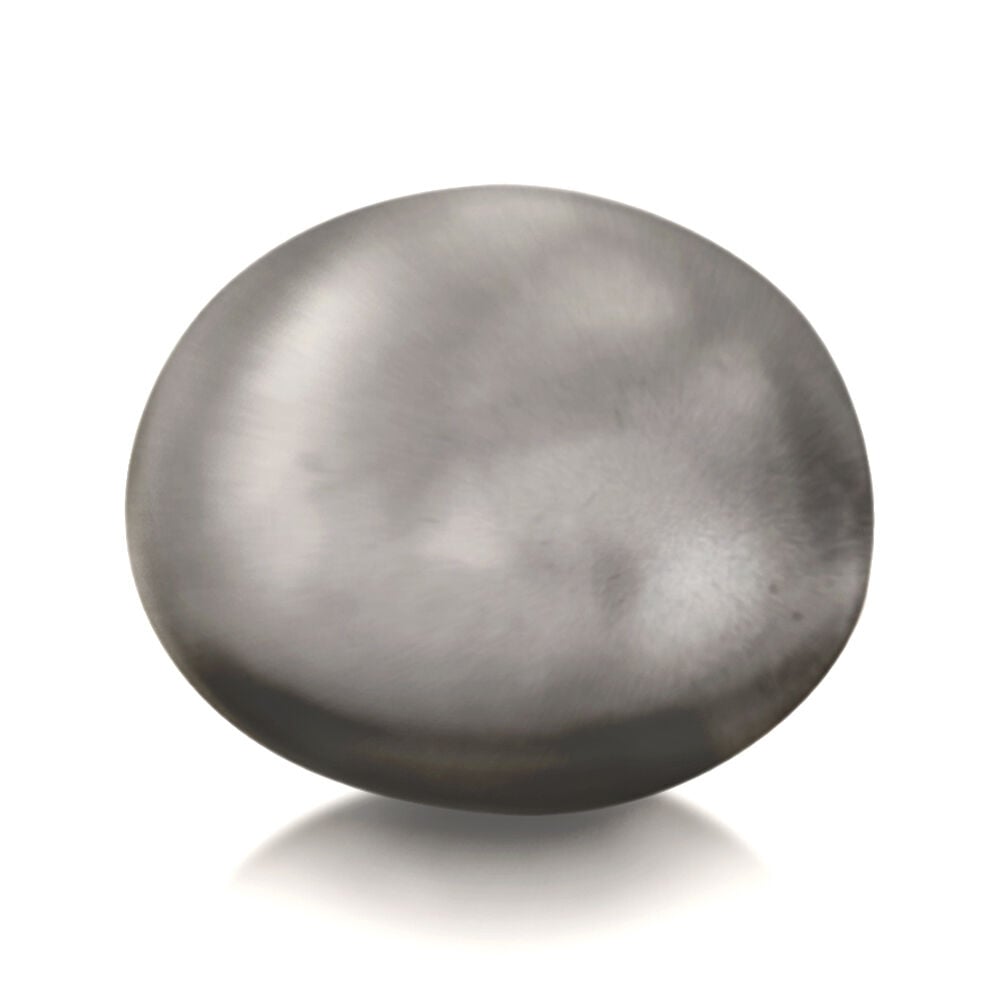
Button — Button pearls have a slightly flat bottom. They differ from semi‐round pearls in that the flat edge is more pronounced, creating a button‐like shape. While they are not often used for necklaces and bracelets, they are ideal for stud earrings and will rest comfortably on the earlobe to create a more flattering appearance, in many cases, than a round pearl earring. Button pearls are most commonly freshwater pearls, but they are found among all varieties.
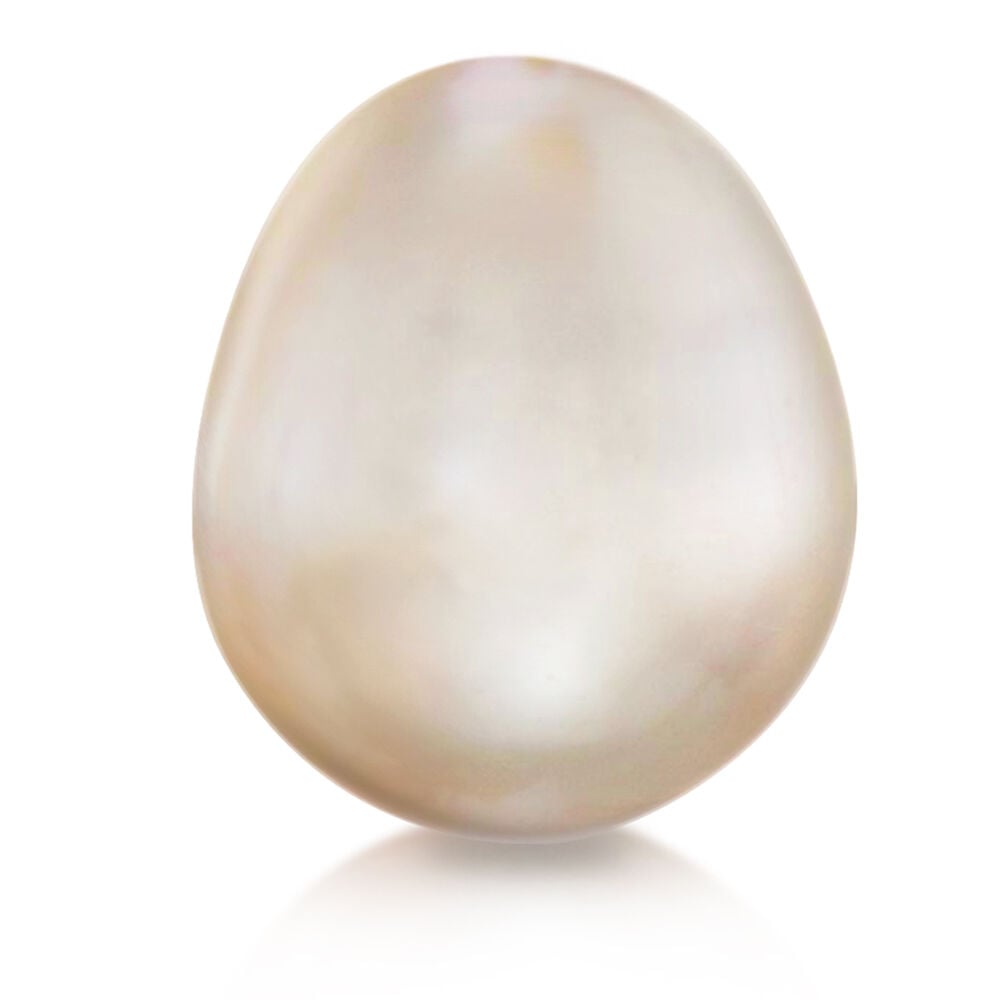
Drop — Drop‐shaped pearls are pear or teardrop‐shaped pearls that are commonly used for earrings and pendants. The drop shape is the second rarest, and while most harvesters desire perfectly round version, drop‐shaped pearls make for beautiful jewelry with their elegant, elongated look. They will stand out from the crowd and add visual intrigue to your pearl necklace or pearl earring set.

Semi‐Baroque — Semi‐baroque pearls are asymmetrical. They appear to have small "bands" wrapping around them in a circular pattern that creates a unique look. Semi‐baroque pearls are often used for coastal‐inspired and Bohemian jewelry because of their unique shapes and brilliant luster.
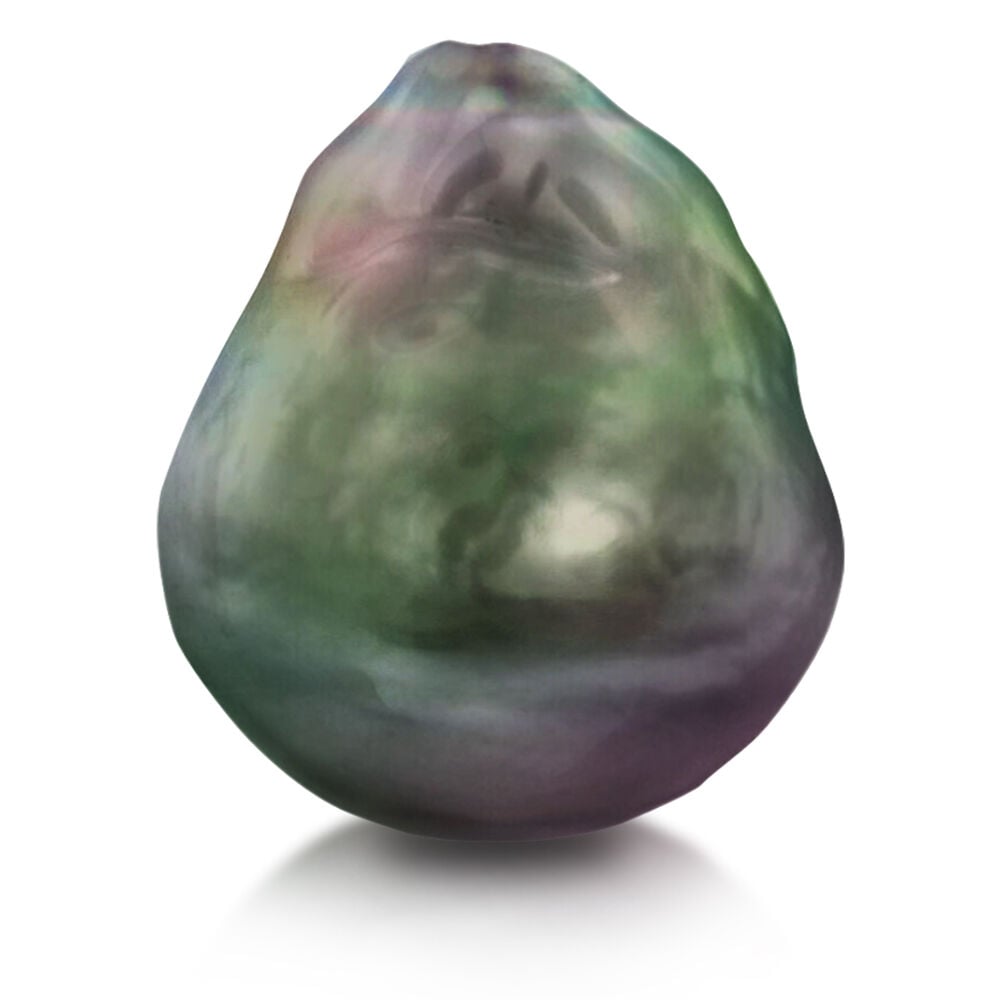
Baroque — Baroque pearls feature an organic, asymmetrical shape. They are one‐of‐a‐kind and typically used in more artfully inspired statement jewelry. These pearls are highly affordable and fashionable, as their unique look creates styles that may appeal to those in search of more original, uncommon designs.
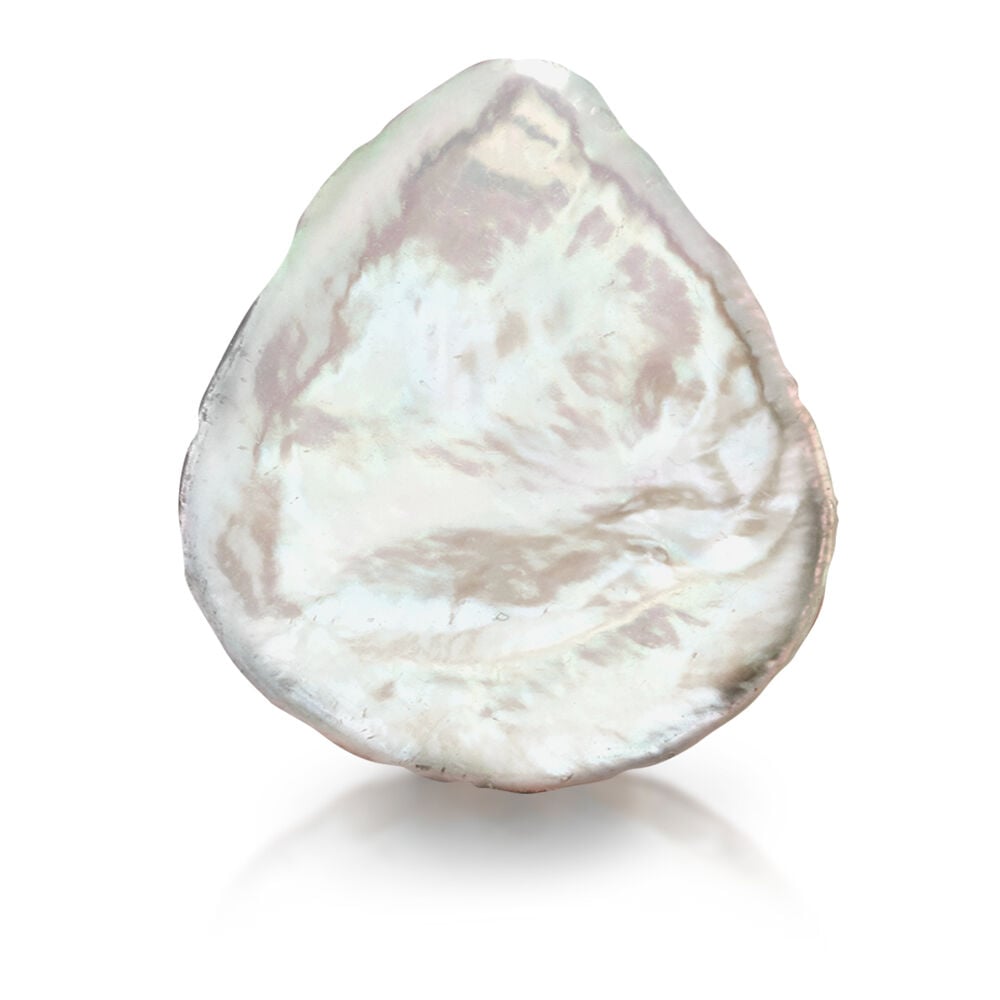
Keshi — A byproduct of pearl farming, Keshi pearls are non‐nucleated gems that are composed entirely of nacre and create flat, irregular shapes commonly used for strand necklaces and bracelets. Keshi pearls are often used in more exotic jewelry designs and can also be paired with other gemstones and pearl types to create one‐of‐a‐kind pieces. Keshi pearls are very rare and have the highest luster of any pearl, making them highly valuable.
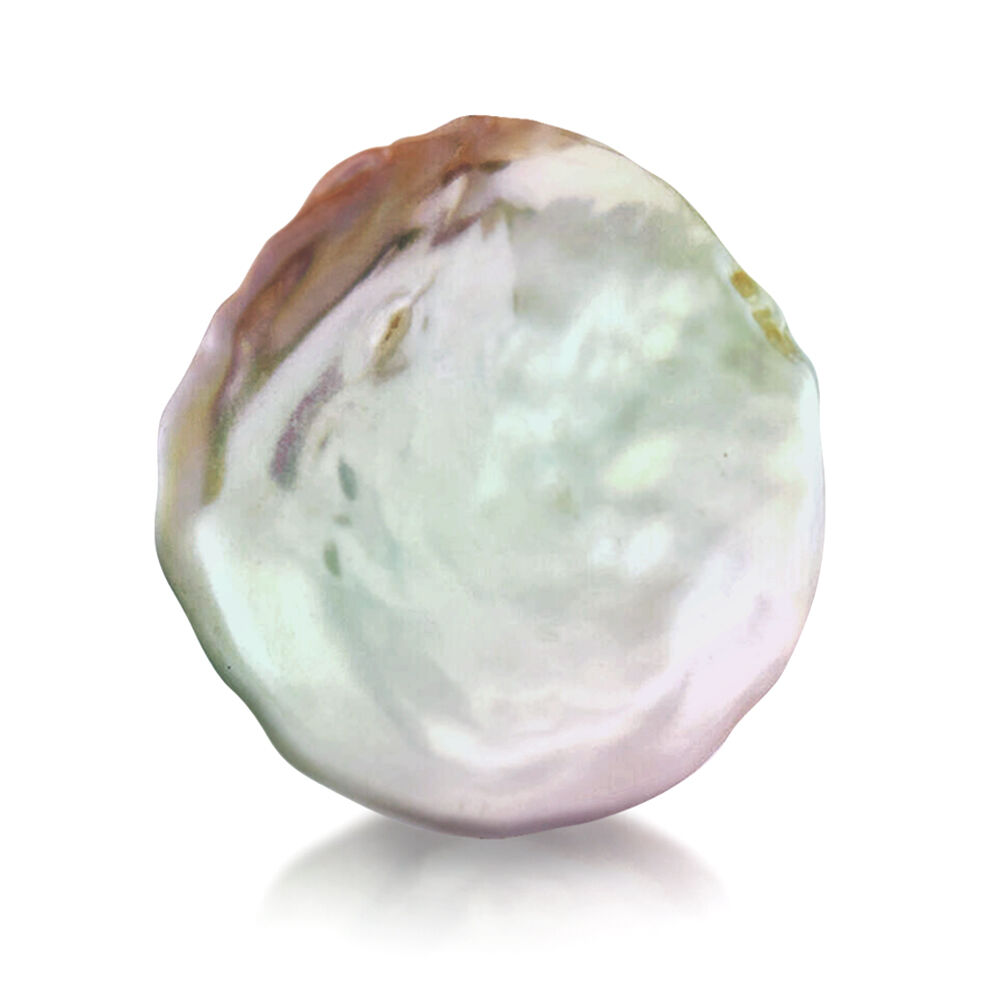
Blister — Blister pearls form connective tissue to the shell in which they were growing. This creates a unique look where the round gem is merged with the flat shell, creating a "blister" or free‐form shape. These pearls are often featured in on‐trend pendants and other unique styles of jewelry.





Choosing the Right Pearl Shape
Choosing the right piece of pearl jewelry is a personal choice. You'll want to consider your style preferences, how well the jewelry will hold up over time and whether or not it is worth the price you pay. Below are three factors to consider when choosing your jewelry shape:
- Which pearls have the best long‐term value? Round, semi‐round and drop pearls are the most difficult to find and therefore the most valuable. If you care for your jewelry, this investment will span generations and result in the perfect heirloom to gift to children or grandchildren. These pieces of jewelry will also retain their value if you decide to sell them in the future.
- How are pearls used in jewelry? While round pearls are the gold standard, some shapes are more functional than others when featured in different types of jewelry. For example, button, drop and Baroque pearls are ideal for earrings, and may be a better choice if you are going for a particular look. Blister pearls lend themselves more to statement jewelry, making them perfect for bold oversized pendant necklaces and other eye‐catching pieces.
- How does pearl shape match my personal style? Perhaps you think that round pearl strands look too "vintage," or that a particular shape isn't quite as stylish as another. You may like the one‐of‐a‐kind appeal of semi‐baroque or Keshi pearls and choose those instead. Often, shape choice comes down to personal style and current jewelry trends.
There are so many options to choose from when you shop pearl jewelry. If you're interested in finding your perfect match, learn more about our amazing pearl collection.
