Choosing the Perfect Engagement Ring
For many, an engagement ring is the most special gift they will ever give or receive. It holds profound significance, representing the enduring bond of love, commitment and the shared journey toward a future together. Choosing the right ring takes careful consideration, factoring in the quality of the diamond, the setting and the personal style preferences of the bride-to-be.
The first step in preparing to pick out an engagement ring is familiarizing yourself with essential elements of diamond selection. Here’s a quick overview of the 4Cs, followed by a little about the most popular diamond shape, cut and setting options.
The 4Cs of Diamonds
Cut: The cut of a diamond refers to its proportions, symmetry and polish, which all influence its brilliance and sparkle. A well-cut diamond reflects light beautifully, creating a dazzling display.
- Color: Diamonds come in a range of colors, from colorless to light yellow or brown. The Gemological Institute of America (GIA) grades diamond color on a scale from D (colorless) to Z (light yellow or brown).
Clarity: Clarity measures the presence of internal or external imperfections, known as inclusions and blemishes, respectively. The clarity grade ranges from Flawless (no inclusions or blemishes visible under 10x magnification) to Included (inclusions and/or blemishes visible to the naked eye).
- Carat Weight: Carat weight denotes the size of the diamond, with one carat equal to 200 milligrams. While carat weight is important, it's essential to consider the other Cs to ensure overall diamond quality.
Shapes
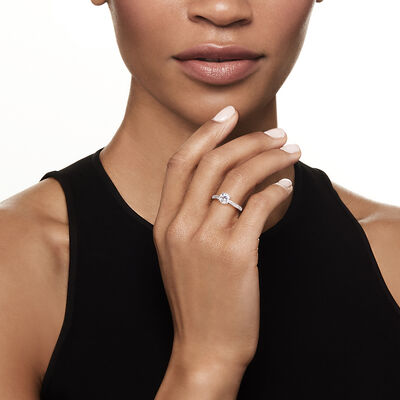
In most cases, diamond shape is arguably the first noticeable feature of an engagement ring. Though many women might have their hearts set on a certain design they may have seen on a celebrity or in a photo, it’s important to consider all your options and how they will look on your own hand.
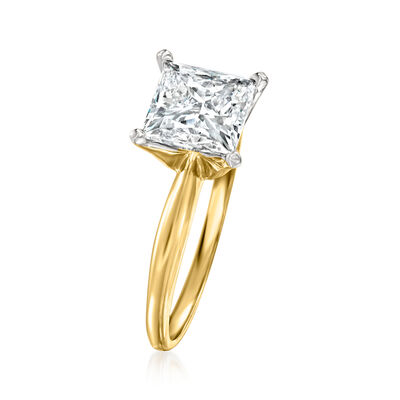
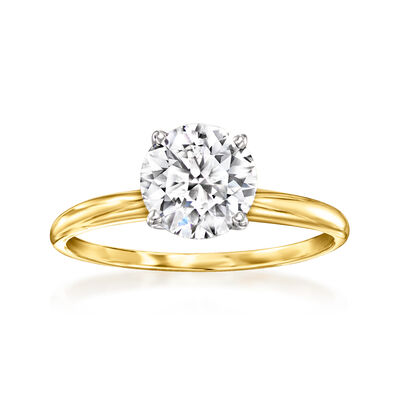
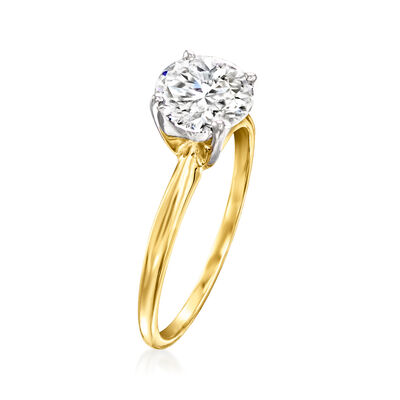
The most popular diamond shapes? Round, oval, pear and princess – but don’t overlook other options like heart and marquise if you’re after a more distinct and unique look! Every diamond shape has specific qualities that make it special, and learning about them all will help you make the most informed choice to suit your style.
Setting Choices
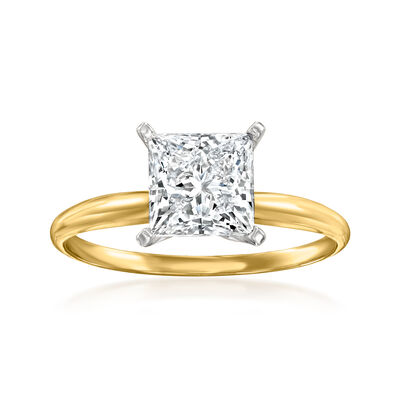
Prong Setting: This classic setting uses small metal prongs to secure the diamond in place, allowing maximum light exposure for enhanced sparkle.
- Halo Setting: A halo of smaller diamonds or gemstones surrounds the center stone, adding extra brilliance and creating a larger appearance.
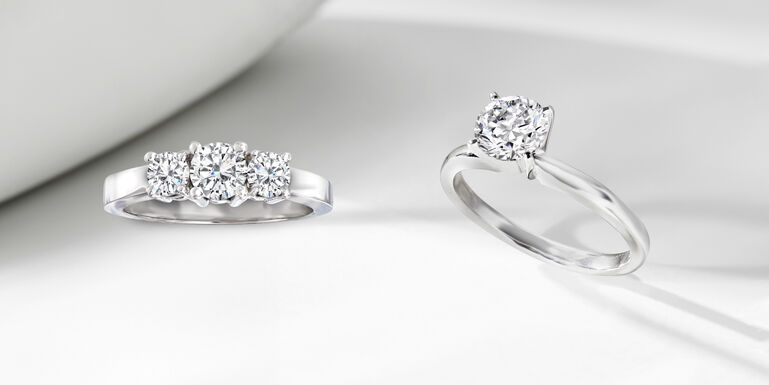
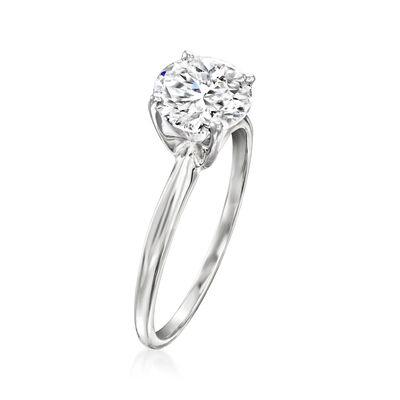
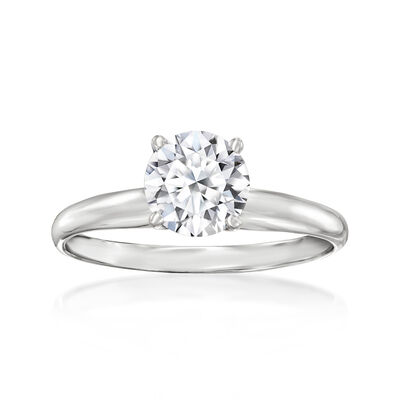
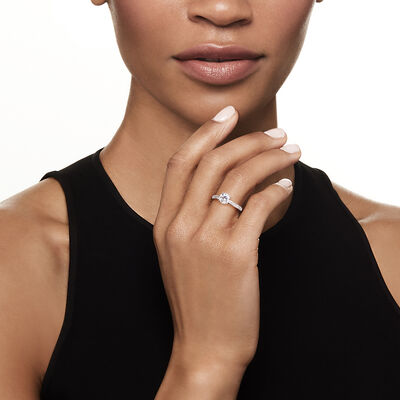
- Solitaire Setting: In this timeless setting, the diamond stands alone on a simple band, drawing attention to its beauty and elegance.
- Pave Setting: Tiny diamonds are set closely together along the band, creating continuous sparkle and a luxurious look.
- Vintage Setting: Inspired by the past, vintage settings feature intricate details like filigree openwork or milgrain borders that evoke a romantic and nostalgic feel.
Pro Tip:For something truly unique, consider an alternative to a classic colorless gem for your engagement ring. A yellow diamond is common enough to be affordable, but rare enough that you won't see them on the finger of every other woman walking down the aisle. Yellow diamond engagement rings also come in a variety of shades to fit any taste – from fancy, light yellow diamonds to deep, vividly yellow stones.
Yellow diamonds also have a bit of history and romance built in, since their popularity dates back hundreds of years. Louis van Berquem's 137 carat Florentine Diamond, which was designed in 1467, is one of the most famous yellow diamond jewels.
Lastly, the symbolism of a yellow diamond engagement ring makes it an even more beautiful choice. Diamonds in general are said to represent strength in relationships, clarity and abundance, but a yellow diamond in particular is believed to add another important layer that is appropriate for an engagement, as two lives adjoin to become one: hope.







Engagement Ring Shopping Tips
Once you’ve landed on the basic elements of your desired engagement ring, it’s time to browse. Here are a few tips to help avoid common mistakes and make the shopping experience positive, manageable and memorable – whether shopping solo or together as a couple.
Solo Mission: For Just the Person Proposing
Ring Size: One of the most challenging aspects of choosing an engagement ring without your partner present is selecting the correct ring size. Rest assured, there is no rule against a bit of preliminary window shopping together to acquire this all-important detail – but if you are firmly set on a complete and total surprise, consider sending a call out to family or friends for help. You could also try to sneak a peek inside their jewelry box for a ring you might be able to stealthily size on your own using our handy ring sizer resources.
- Personal Style: With any luck, you’ve probably had a few conversations with your significant other about their ideal engagement ring. (Extra points if you’ve made some notes along the way for future reference!) Still, even if you’re starting from square one, it’s important to envision an engagement ring that’s well-suited to your partner’s personal style. What kind of jewelry do they usually wear? Is classic or trendy? Bold or understated? Take cues from their taste, lifestyle and personality – and don’t hesitate to ask family or friends for advice, if you’re unsure. Most people are thrilled to help with this exciting task!
- Choose A Quality Retailer: Once you’re ready to start shopping, it’s extremely important to do your research and find a quality jeweler to assist you in this milestone purchase. Try to find a retailer with a trusted reputation, whether that’s many years of proven experience in the bridal jewelry industry, a first-hand recommendation from others or simply shopping around until you find a jeweler with prices, policies and customer service you’re comfortable with. While it’s essential to stay within your budget, it’s also important to ask questions about the quality of the product to help support and rationalize this significant investment – something a quality retailer should understand and encourage.
And remember – if you’re completely overwhelmed and don’t know where to begin, a good jeweler will help you every step of the way. Make sure you feel comfortable, informed and supported before choosing your retailer.
Best Date Ever: For the Couple Shopping Together
While it’s true that a traditional proposal and ring reveal romanticize the element of surprise, shopping for an engagement ring together is a very common occurrence and a special experience you will remember forever. This joint outing is the ideal time for in-person try-ons – your chance to view different styles, shapes and settings to find the perfect ring that reflects the wearer’s personality and preferences.
Even if you are set on an in-person shopping experience, online shopping still has its perks to consider, and should at least play a role in your preliminary research. The internet offers a wealth of visual and expert resources to answer any question you might have about metal types, stone shapes, band designs and diamond cuts. Take advantage of in-depth written and video reviews – a great way to get familiar with what you might find in a store without the added pressure of a salesperson and outside opinions.
Pro Tip: Joint ring shopping doesn't always mean you’ll be next to each other during the entire process. Sometimes it just involves one person providing explicit likes and dislikes, entrusting the shopper to use that as a roadmap to a final decision. If your partner-to-be has used social media to share pictures or videos with you of designs they like, save them in a folder that you’ll be able to easily access when it comes time to shop.
When preparing to ring shop together, couples should discuss budget, design options and preferred retailers. This bonding experience will not only strengthen your communication skills as a couple but will also ensure both partners are equally satisfied with the final choice, fostering a sense of collaboration and mutual understanding.
Whether you're shopping solo or together, it’s vital to counterbalance the stress and excitement with the underlying significance – that this ring represents endless love and commitment shared between partners. By carefully considering all aspects and selecting a ring that resonates with your relationship, it becomes a cherished reminder of your journey together, symbolizing your love and bright future ahead.






Treat Yourself to Savings!
Treat Yourself to Savings!
A Word About Wedding Bands
Once you’ve settled on an engagement ring, it’s time to find a wedding band to match.
When choosing a wedding ring, the best place to start is with the setting. There’s a wide variety of women's ring styles to consider, all of which have their own unique charm. But remember, this is a lifelong investment. Your wedding and engagement rings are symbols of your endless bond, and you'll want to make sure you choose styles you'll be thrilled to wear for years to come.
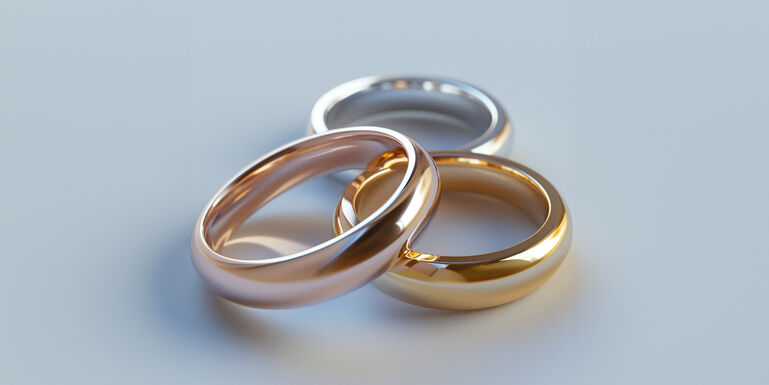
- Ring Metals: On the simplest level, you’ll want to choose matching metals for your bridal rings. The most common metals for wedding jewelry are white gold, yellow gold and platinum. Aside from personal preference, there’s one exception to matching your ring metals, and that is if you have a two-tone engagement ring. In this case, you’ll want to find a wedding band with similar proportions of the two metals. On the other hand, if you want to add a little bit of contrast to your wedding jewelry, you could also choose a wedding ring that only matches one of the metals of your engagement ring.
- Ring Shapes: As a rule of thumb, your wedding ring should be able to sit evenly below your engagement ring. Generally, it’s acceptable if the two rings don't match up 100% perfectly, but if you place one on top of the other and there is a noticeable gap in the middle, your ring pairing is less than ideal.
If you have a straight-band engagement ring, it's easy enough to find a complementary straight-band wedding ring, but if your engagement ring has a curve, a bezel or a large prong setting, you’ll need to find a wedding band that sits nicely with it. Luckily, women's wedding bands come in many shapes, featuring clean, straight lines, slight curves and dramatic bezels. With a little bit of effort, you can find two ring settings that perfectly complement each other.
- Plain or Gemstone? Depending on your preferences, you’ll face the decision of choosing an unadorned metal wedding band or a wedding ring studded with diamonds or gemstones.
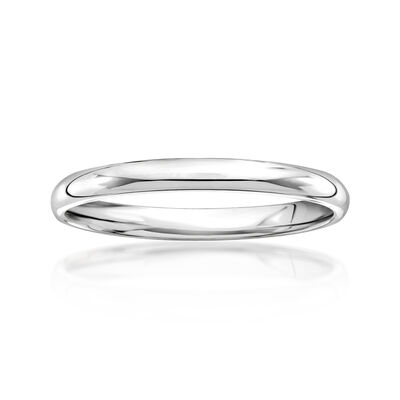
Some brides and grooms choose to go a very minimal route with their wedding jewelry. An engagement ring with a classic solitaire design can be elegantly paired with a simple wedding band. This is a great, timeless look that can be pulled off effortlessly. Others want to go bigger and bolder and may choose to amplify their bridal stack with a gemstone style, which can add dimension.
There are three main ways that wedding ring gems and engagement ring side stones are set:
- Channel-set diamonds: These diamonds are set into the surface of the ring so that their sides are touching.
- Hammer-set diamonds: These are set in such a way that there is a noticeable amount of metal between the diamonds.
- Grain-set diamonds: These look similar to channel-set diamonds, but have tiny beaded edges holding the stones in place.
Choosing a wedding band stone setting that matches your engagement ring side stones will ensure a cohesive look, but the decision will come down to preference. Whether you want to stick to tradition or put your own unique spin on your bridal stack, the most important rule is to make decisions that suit your personal style in a way that you’ll appreciate today and always.
Your Perfect Proposal
We’ll end on an exciting note – it’s time for your proposal! By now, you might have an idea of how you want the moment to unfold, but should you need a little inspiration, here are a couple of thoughts to ponder…
- Surprise! To delight the person who dreams of a grand gesture, it’s essential to have a solid plan. Who should be there? Where and when should it happen? Who will be taking the pictures? The best way to pull off an impressive proposal is with a little help from the people who know you both best. Make a checklist with deadlines to ensure all the details are covered and keep the line of communication open for those who will be helping on the big day. Pro Tip: Enlist your most organized friend to assist – they will likely be thrilled!
- Surprise? Some people love surprises. Others, not so much. If you know your partner-to-be falls in the latter category, consider taking a bit of pressure off with a more intimate proposal. A great place to start is by making a list of all the outings and activities you both truly enjoy. Maybe you love taking a relaxing after-dinner walk together at your local park or beach – a sunset stroll could be the perfect backdrop to pop the question. For something more sentimental, you might want to re-create your first date, dining at the same restaurant or wine bar and capping the night off with the big question. Perhaps you’re planning a weekend getaway in a picturesque location. Since a quick road trip is simpler to coordinate than a full-fledged vacation, sneaking in your proposal should be relatively easy and effortless to achieve.
Engagements are a major life milestone, so it’s very natural to dream about making the ring and the moment as magical as possible. To feel truly comfortable and confident in your plans, remember to keep personality, preference and budget top of mind throughout every decision. Be true to yourself, even if it’s not the most popular option, and allow for flexibility as you plan, in case your decisions end up looking different than what you thought they would be. At the end of the day, this is an heirloom and a moment you will both treasure forever, so it should be distinctly personal and decidedly special to the two people that matter most – you and your future fiancé!