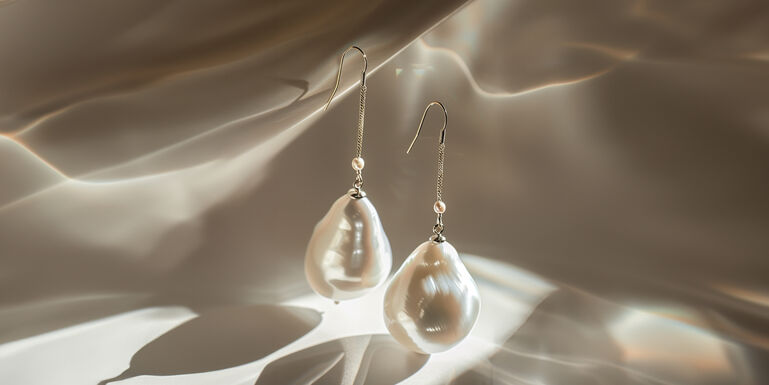
Pearl Jewelry Buying Guide
For thousands of years, pearls have been a classic favorite; coveted for their natural beauty, rarity, luster and shine. To find one is invaluable. Out of 10,000 oysters, there may only be one treasure among all treasures… a single, natural pearl.
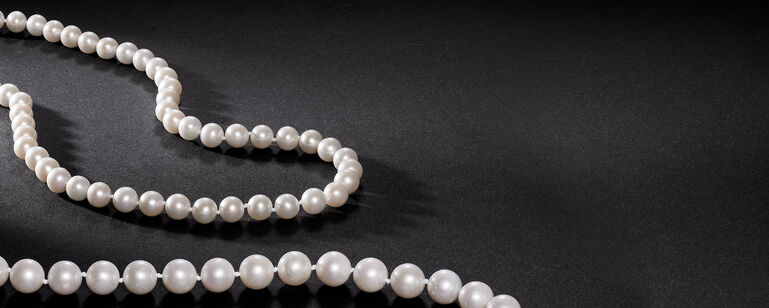
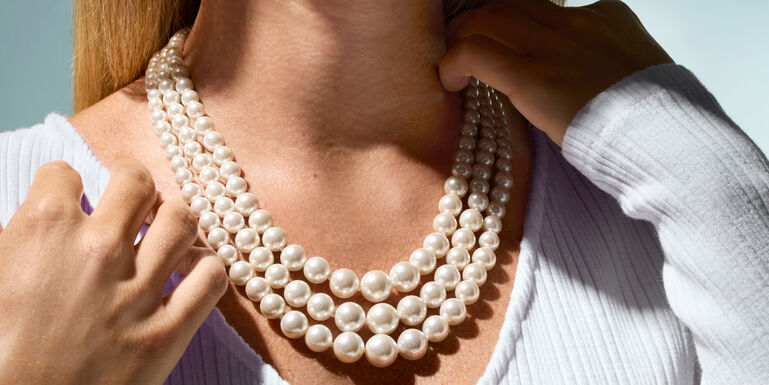
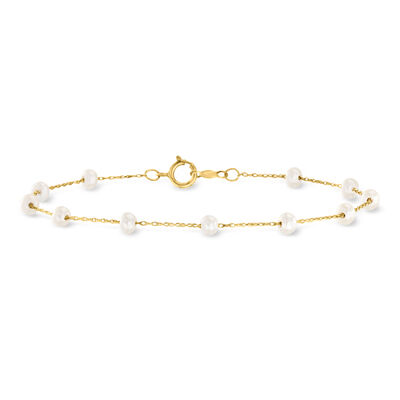
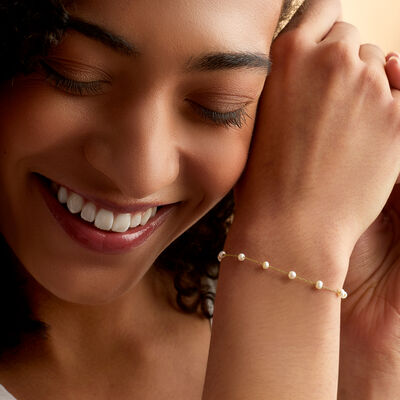
Whether it’s a necklace, bracelet, pair of earrings, ring, or brooch, pearl jewelry remains a beloved favorite for its classic appeal and elegant aesthetic. Before planning to buy, you’ll want to read this informational guide to learn more about choosing the perfect style to suit your preference and budget.
Types of Pearl Jewelry
Akoya
Considered the finest in the world, Akoya pearls are saltwater gems that come from oysters found in the cooler waters of Japan and China. They're prized for their prismatic luster with overtones of rose, silver or cream hues. If you're looking for high-end jewelry for special occasions, these perfectly round gems are the best choice. Considered the classic, Akoyas are the strongest and most beautiful, providing years of wear with proper care. When it comes to size, they typically range from about 6-8.5mm. At Ross-Simons, our Akoya pearls are hand-matched with medium reflection, medium nacre and very good luster. The body color will range from white to cream white, with lovely pink and silver overtones. Learn how the Akoya variety was made famous by Mikimoto and why many consider them the world's finest.
Freshwater
Freshwater pearls are cultivated in freshwater ponds, rivers and lakes. They are great for everyday accessorizing and are particularly popular for their exquisite range of colors and pretty shine. If you're looking for high-quality gems that can stand up to frequent wear, the freshwater variety is a great option.
Tahitian
Cultivated in the warm waters around the islands of French Polynesia, enchanting and mysterious black Tahitian pearls are a splendid choice for women who want a luxurious look with an exotic touch. Rare and showstopping, these bold gems feature undertones and overtones of hues such as green, pink, blue, silver and yellow. The oysters from which they are harvested are rather large and very sensitive to the cultivation process. This makes the large gem they produce a highly sought-after treasure. Learn more about Tahitian pearls and why they are a beautifully bold choice for your collection.
Cultured
Cultured, or cultivated pearls, are most commonly used in jewelry design. A cultivated pearl is created by intentionally placing a tiny bead or tissue (depending on whether it is the freshwater or saltwater culturing process) into a mollusk. Inside, the pearl sac envelops the implanted element and gradually coats it in layers of a beautifully iridescent natural substance called nacre, which builds up to eventually create a lustrous gem.
Cultured pearls are typically grown in Asian waters and found in a broad spectrum of colors including white, pink, black and champagne. While other colors can be achieved naturally, some freshwater pearls are specially treated to produce a distinctive or particular color. The affordability of these cultured gems makes them a popular choice when searching for your next piece of jewelry. Learn more about cultured pearls and why they are a must-have in every jewelry box.
South Sea
South Sea pearls are simply spectacular and one of the rarest varieties. With a unique, satiny luster and an array of colors, they are considered more uncommon than other types and are typically white, silver or golden. Cultivated in the white-lipped oyster, which is larger than the oysters used to produce Akoya and freshwater varieties, South Sea pearl size is also considerably larger, reaching sizes as big as 15mm. White-lipped oysters are rare, sensitive and challenging to cultivate, making their product more expensive and highly desirable. Discover the beauty of South Sea pearls by learning more about this luxurious gem.
Blister and Keshi
Blister and Keshi pearls are accidental creations of nature – and beautiful ones, at that!
A blister pearl grows while attached to the shell of the mollusk. Since it will need to be cut from the shell’s surface to be used, pieces of the shell are often left attached in an artful free-form shape that’s ideal for use in intriguing pendants and earrings, especially when set in a bezel-style frame.
A Keshi pearl is an irregular-shaped byproduct of cultivation, composed entirely of nacre and containing no nucleus. When a mollusk rejects the cultivation process, a beautiful and unique Keshi pearl is born. Both blister and Keshi gems have a unique shape, so no two are alike. For this reason, they are a wonderful choice to create beautiful one-of-a-kind jewelry with organic flair. You'll find blister and Keshi varieties in abstract and artisanal designs full of imagination and natural beauty. Explore the fascinating history of the Keshi to learn more about these tiny treasures.
Pearl Shapes
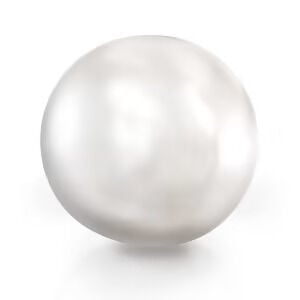
Round - Round pearls are perfect spheres and the shape most people think of when they think of a pearl.
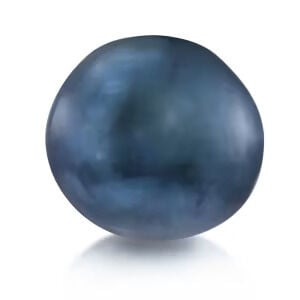
Near-Round - A pearl that visually appears almost round.
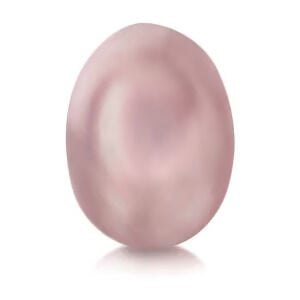
Oval - A pearl that visually appears oval..
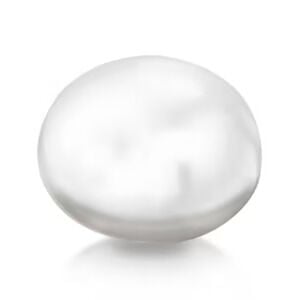
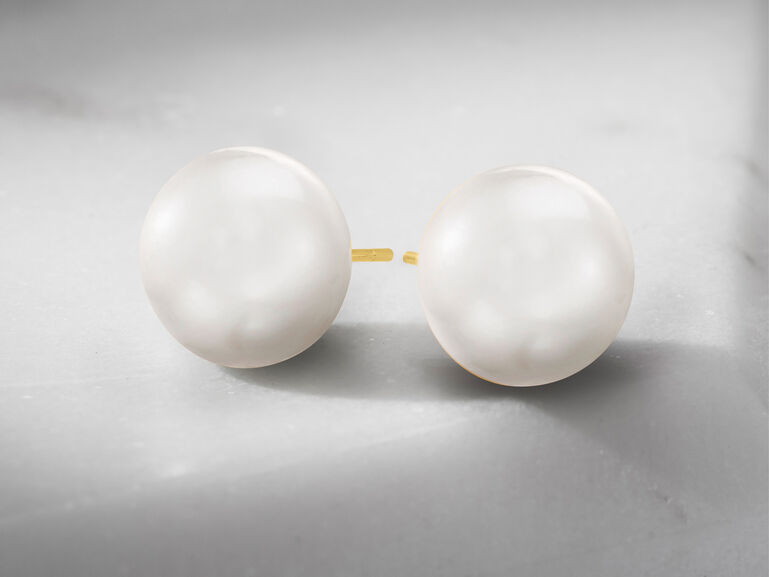
Button - A pearl that is circular in shape with a flat bottom and a flattened or domed top.
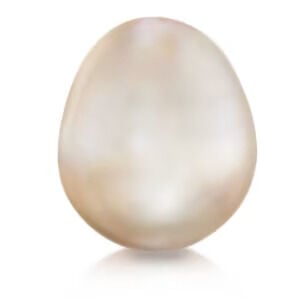
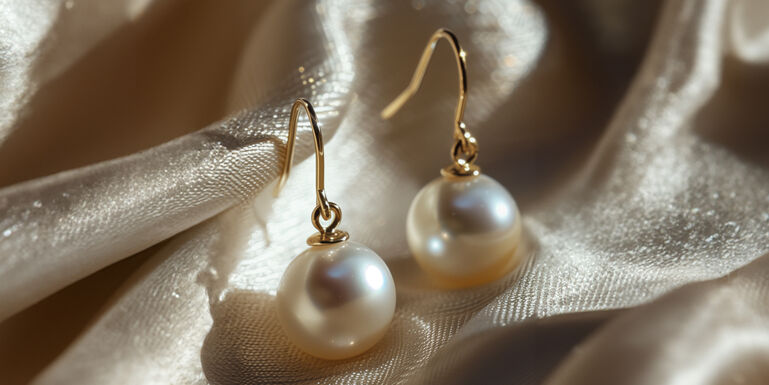
Drop - Drop pearls are pearl or teardrop-shaped. The drop can either be "long" or "short" and are typically used in earrings or pendants.
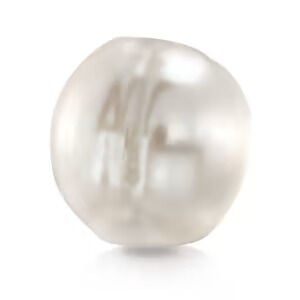
Semi-Baroque - These pearls are slightly irregular in their shape.
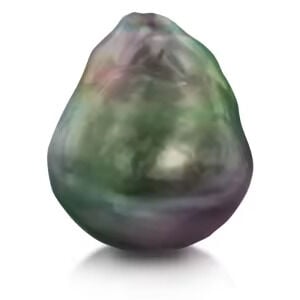
Baroque - A pearl that is not symmetrical and is irregular in shape. It can be abstract and even resemble a stick or some other unique shape.
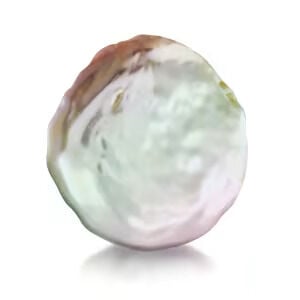
Coin - A coin pearl is a flattened disc-shaped pearl. It can be circular or slightly more irregular.
Pearl Sizes
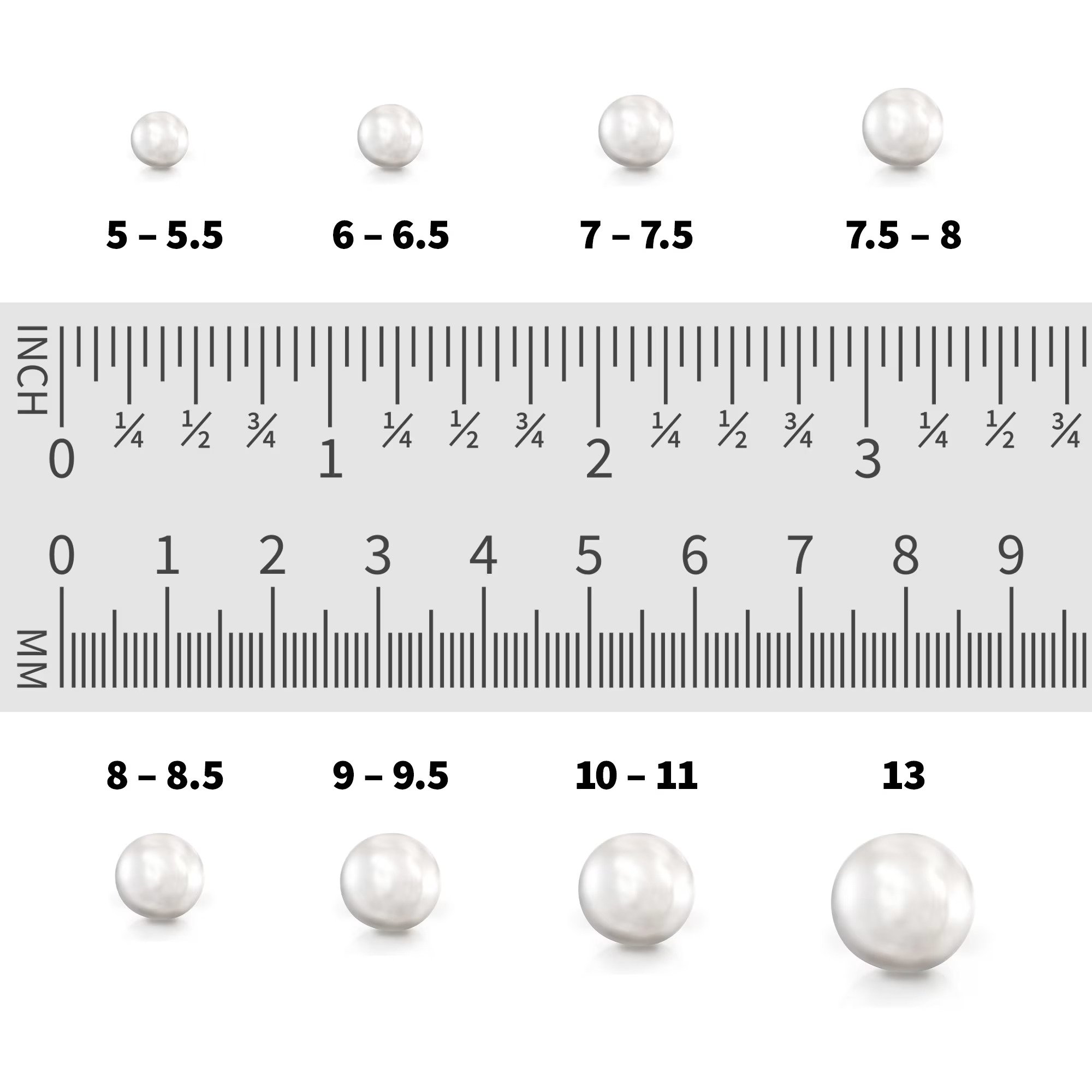
Whether you prefer dainty stud earrings or a big, bold bracelet, the size of a pearl depends on the type you select. Our chart can help you shop for and understand the different types and their sizes, from the largest and most exotic Tahitian gems to multi-sized and multicolored cultured freshwater pearls.
When shopping Ross-Simons' extensive collection , remember that a pearl is measured by its diameter in millimeters (mm). Sizes can range from 1mm or less to as large as 20mm.
Pearl Quality Characteristics
The quality of pearls is measured by a combination of factors, which include:
- Nacre Thickness: The larger the pearl, the more nacre it has and the greater the luster. The amount of luster is as visible as the differences in size.
- Luster: Pearls produce a deeply intense shine, known as luster, when light is reflected off the many layers of nacre.
- Color: A pearl's color is called its body color. Since these gems are produced in living creatures, their colors typically vary among white, golden, silver, pink, and black. They can also emit the glow of a secondary color, which is visible when light reflects off the pearls. This hint of color is known as its overtone.
- Shape: Pearls are natural, organic substances, and because of that, they come in many curious and intriguing shapes. A perfectly round gem is very difficult to find; the rounder it is, the more expensive it becomes.
Ultimately, the real value of a pearl should be based on your personal preference. We offer a wide selection of gorgeous, luminous jewelry in an assortment of styles and designs for even the most discerning shopper - all at the highest level of quality for which Ross-Simons is known.




Shopping: Top FAQs Answered
Find answers to commonly asked questions.
When buying, pay attention to various factors such as luster, shape, size and color. Luster is a significant aspect that impacts the appearance of pearl jewelry. A high-quality pearl has a bright sheen and displays your reflection on its surface. Avoid chalky or dull-looking gems. Larger pearls are more valuable than smaller ones, and it is always best, whenever possible, to opt for those of the cultured variety with a clean and smooth surface.
Beloved for their classically beautiful aesthetic, pearls are also the traditional June birthstone, making pearl jewelry an even more popular choice among shoppers. Modern jewelry designers continue to create exquisite pieces using these fine-quality gems, so whether you’re in search of a pearl necklace, bracelet or pair of pearl earrings, you’ll have plenty of options to choose from.
To ensure you're buying authentic pearls that deliver the best value for your investment, choose a trusted jewelry retailer that offers top-quality products at competitive prices. Read customer reviews, consider the quality and browse the collections of products available. Be sure to also utilize customer service for any questions you may have and always read through after-sales policies before deciding on a jewelry store from which to buy pearls.
After each wear, wipe your pearls with a soft cloth. Occasionally, you can use mild soapy water for a deeper cleaning. Avoid jewelry cleaners, as they can harm your pearls. Be sure the strings are dry before wearing them again. Store pearls separately in the box they came in so other jewelry does not scratch them. When you are getting ready, it is best to put your pearls on last. Hairspray, perfume, cosmetics, household chemicals and extreme heat can damage pearls.