Symbolic Jewelry
A beloved way to express faith, seek protection or attract good fortune, spiritual and symbolic jewelry showcases historically rich emblems from the many religions and cultures of the world. Symbolic jewelry can also be worn as a sign of status or simply to reflect one’s personality—and although there’s no requirement to hold certain beliefs to wear these stylish designs, they are still meaningful to many people, with significant origins that are interesting to explore.
The Symbols
Read on to uncover fascinating details about some of the most popular icons featured in symbolic jewelry.
Irish Claddagh
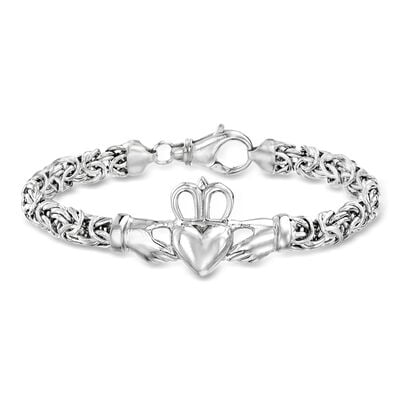
Named after the small fishing village of Claddagh, this traditional Irish symbol dates back to the 17th century and features hands wrapping around a crowned heart. The hands represent friendship, the heart represents love, and the crown represents loyalty. These sentiments are perfectly reflected in the famous Claddagh motto: "Let Love and Friendship Reign Forever.”
Though the Claddagh is sometimes featured on hoop earrings and pendants, it is most commonly showcased on a ring, which is meant to be gifted to a loved one. Some couples wear the Claddagh as a promise or engagement ring. In Irish culture, it is very common to replace a wedding band with a Claddagh ring.
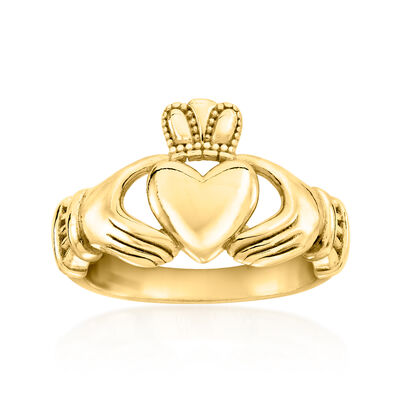
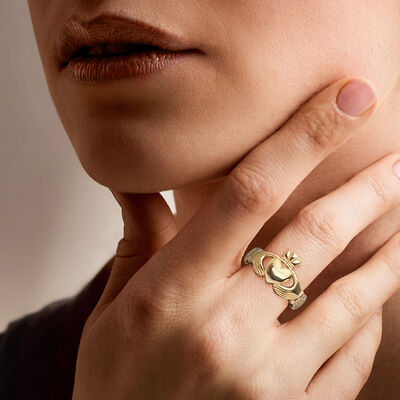


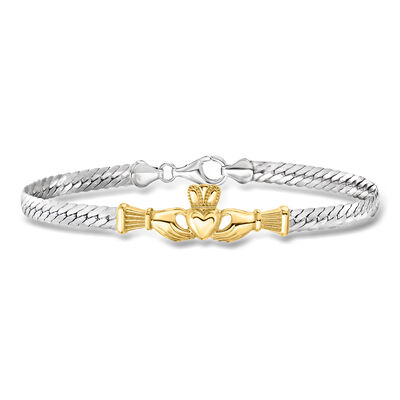



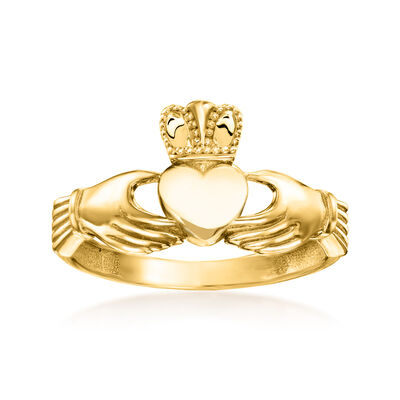

Do you know the traditional ways to wear a Claddagh ring?
- If you are single, wear the ring on your right hand with the heart facing outward.
- If you are taken, wear the ring on your right hand with the heart facing inward.
- If you are engaged, wear the ring on your left hand with the heart facing outward.
- If you are married, wear the ring on your left hand with the heart facing inward.
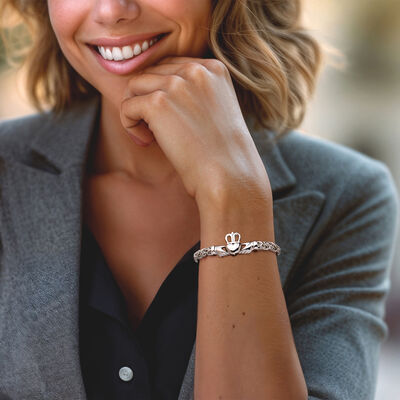
Although Claddagh rings are certainly the most popular, there are many other ways to wear this enduring emblem, including Claddagh earrings, which are commonly gifted between loved ones as a sign of devotion, as well as charms and Claddagh pendant necklaces, which are often worn to let the world know you’re taken.
Cross
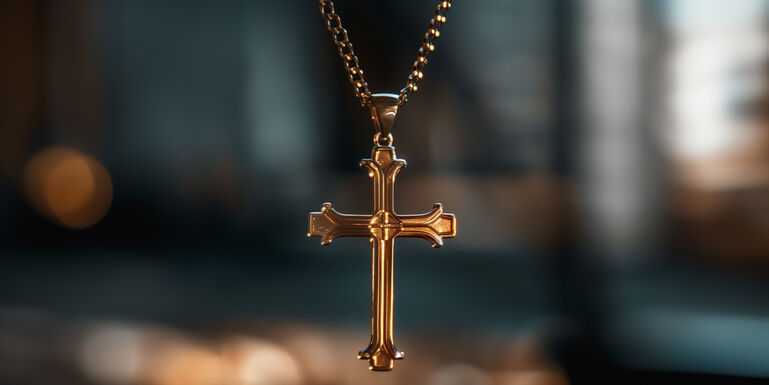
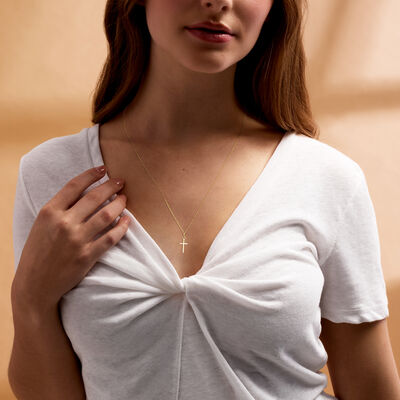
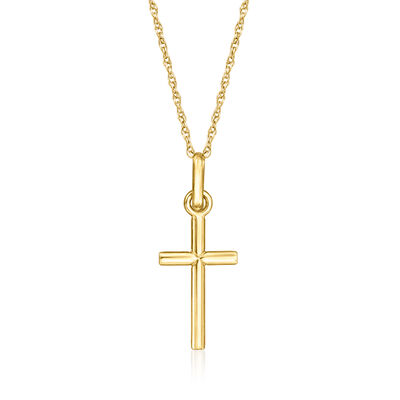
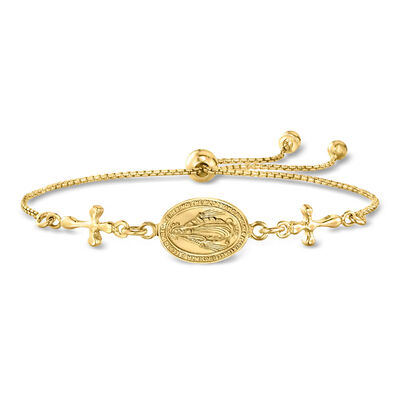
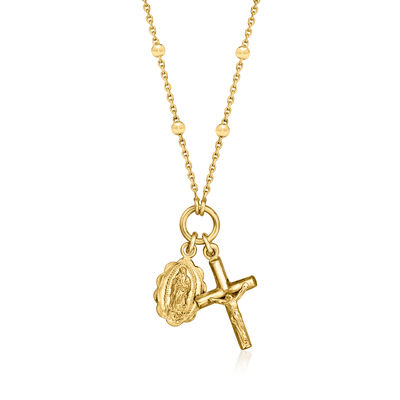
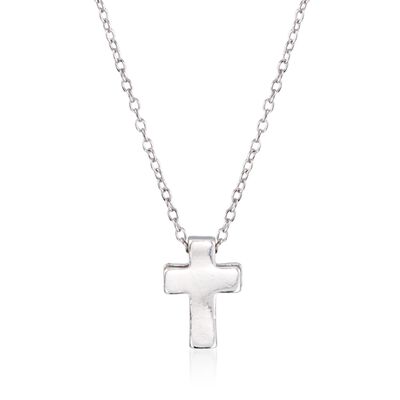
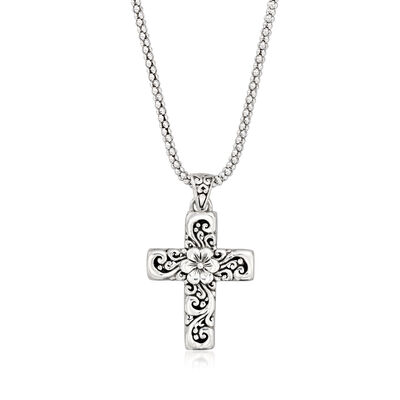
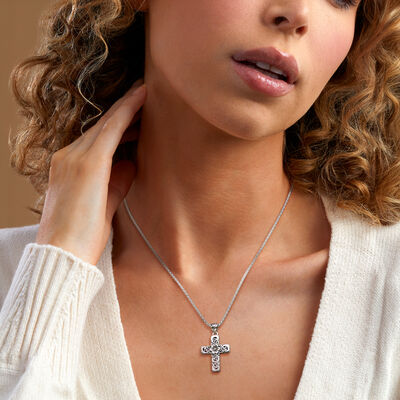
A very popular expression of religious faith, a cross can best be described as a lowercase “t” shape. The earliest known cross was the "Ankh," the ancient Egyptian symbol of life and fertility. Later, the cross was adopted as an official symbol of Christianity, representing the wooden post on which Jesus was crucified. The cross is recognized today as a universal symbol of faith and it is most commonly worn as a pendant.

SPECIAL PRICE




Save Big on Bold Styles!
Save Big on Bold Styles!
SPECIAL PRICE
Save Big on Bold Styles!
Save Big on Bold Styles!
Evil Eye
The “evil eye" itself is the belief that another person can have power over you, sometimes described as being transmitted through a malicious stare, whether intentional or unintentional. Wearing an evil eye talisman is believed to block, or protect, an individual from this type of negative energy transfer. This belief is popular in the Middle East, East and West Africa, South and Central Asia, and Europe, especially the Mediterranean region. Originally, evil eye amulets were primarily presented as blue glass beads with an eyeball motif at the center, but over time, they started taking on many other colors and designs. Today, the evil eye has grown into an extremely popular fashion and accessories trend, so you can find this symbol in all kinds of jewelry, made from diamonds, gemstones, enamel and more—in addition to traditional glass.
Fleur-de-lis
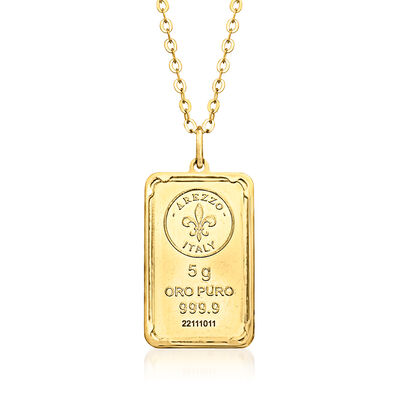
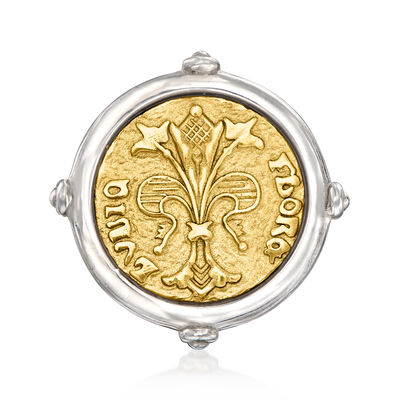
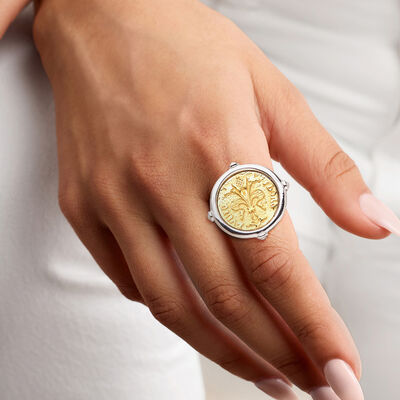
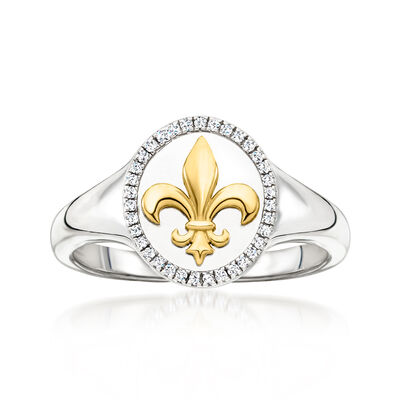
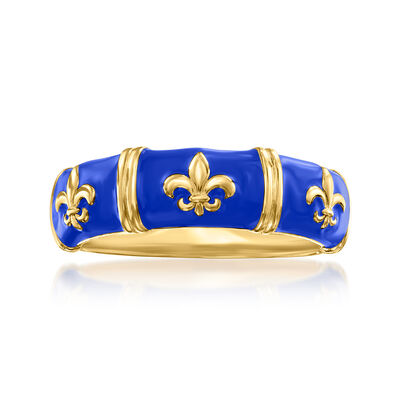
Sometimes spelled "fleur-de-lys," the name of this symbol translates to "flower of the lily" in French. This ornamental emblem has been used for centuries, particularly in heraldry, and is often associated with the French crown. Though its exact origins are ambiguous, legend has it that King Clovis (first King of the Franks, 466-511) had the flower presented to him at his baptism by the holy Virgin Mary and assumed it as a mark of purity and sanctity. Many wear fleur-de-lis jewelry simply because of its elegant design, rather than its spiritual significance. Today, the fleur-de-lis is often associated with New Orleans and serves as their official symbol—most likely an ode to the city’s French culture and heritage.



Save Big on Bold Styles!

Save Big on Bold Styles!


Save Big on Bold Styles!
Fu, Lu, and Shou
Fu, Lu, and Shou are the three star gods in Chinese culture which together create the essence of a good life. Their three characters are often featured in jewelry, tattoos and other adornments, like home decor. Fu means "happiness," Lu means "prosperity," and Shou means "longevity."
Hamsa
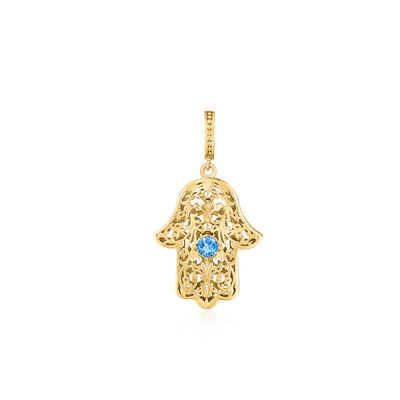
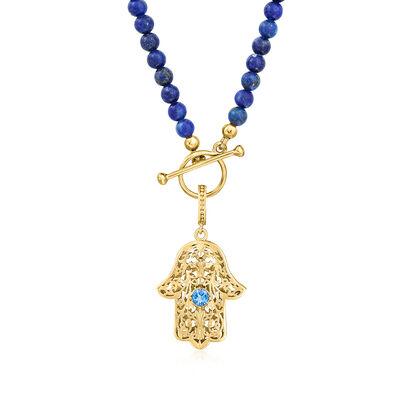
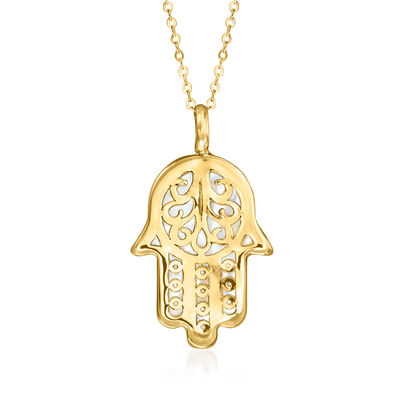
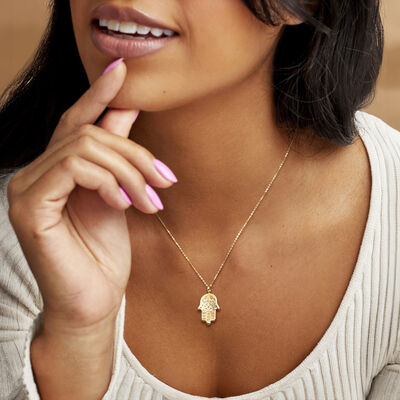
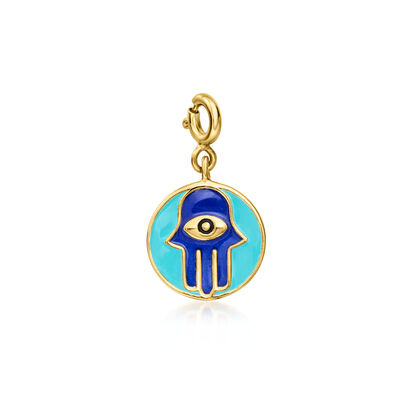
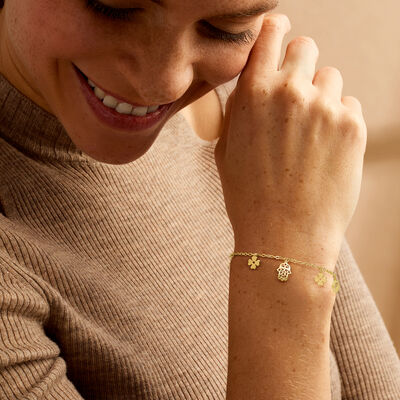
Originating from paganism, the hamsa is a right-hand symbol that often features an evil eye on the palm and is believed to bring protection and happiness to its wearer. Its name comes from the Arabic word "khamsa," meaning "five," a number that is thought to ward off evil. The hamsa is also sometimes referred to as the hand of Miriam (Moses' sister) or the hand of Fatima (Mohammed's daughter) and is identified by three extended fingers with two curved fingers on the sides. Today, it has become an important emblem in Jewish and Islamic cultures and is also popular across North Africa and the Middle East, commonly featured in jewelry and decor items, like tapestries and wall hangings.




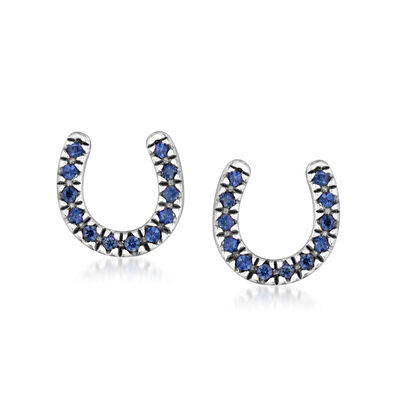
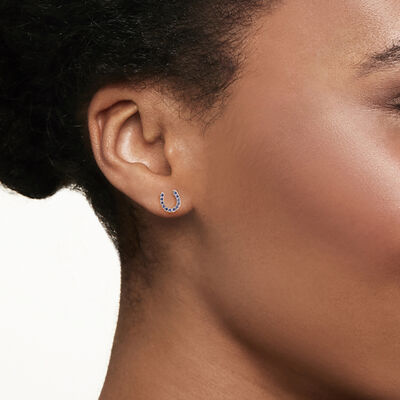
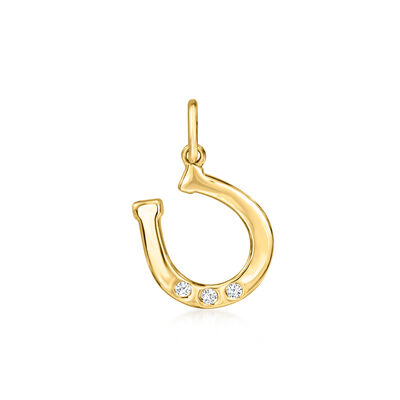
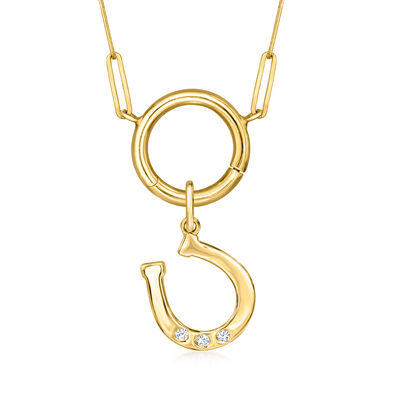
Horseshoe
Similar to finding a heads-up penny or four-leaf clover, it’s believed that finding a horseshoe by chance is a sign of good luck. This idea dates back to 14th-century London and has renewed itself over the years through legendary stories and historical folklore. From warding off evil during Biblical times to the witch trials of colonial America to present-day superstitions, many people nail horseshoes to their doorway in hopes of seeking protection. Today, horseshoes are still considered to be lucky charms and are commonly worn as pendants, earrings or rings.


Save Big on Bold Styles!


Save Big on Bold Styles!


Save Big on Bold Styles!


Save Big on Bold Styles!
Save Big on Bold Styles!
Save Big on Bold Styles!
Infinity
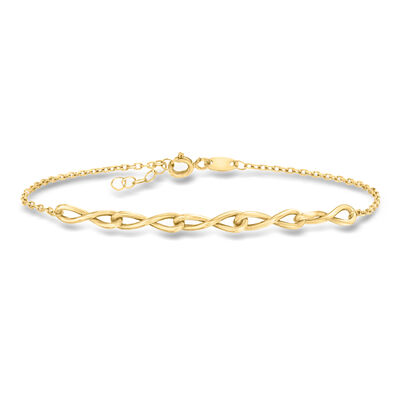
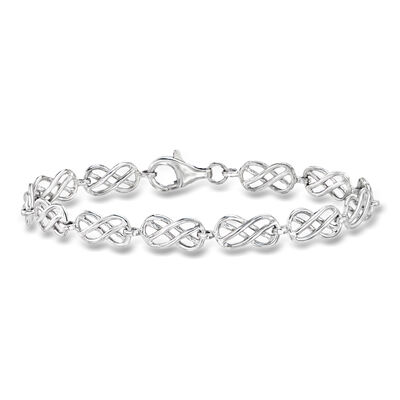
Depicted as a sideways figure-eight, the infinity symbol was introduced by John Wallis in 1655 as the mathematical representation of a possible infinity in an equation. Though these origins are rooted in science, over time, the symbol has been adopted to signify eternal sentiments of humanity, as well, like the neverending bond between a married couple or the longevity of a special friendship. Today, the infinity symbol is a very popular design often featured in on-trend jewelry and tattoos.




Save Big on Bold Styles!


Save Big on Bold Styles!
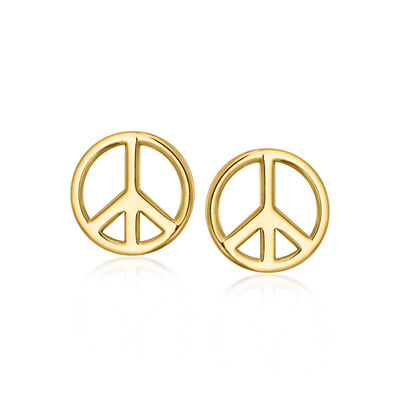
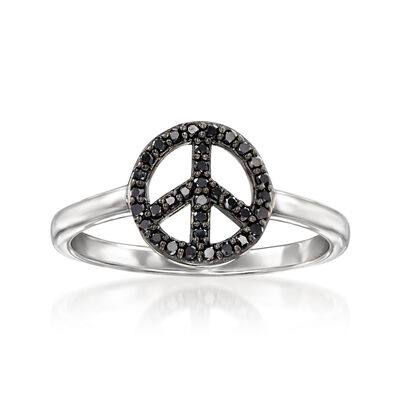
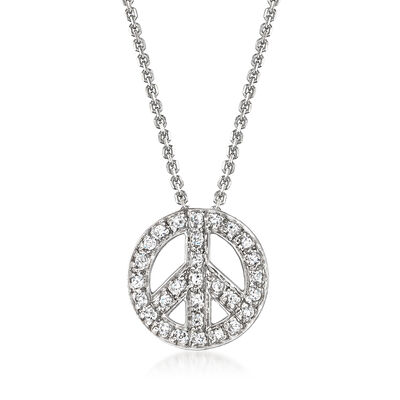
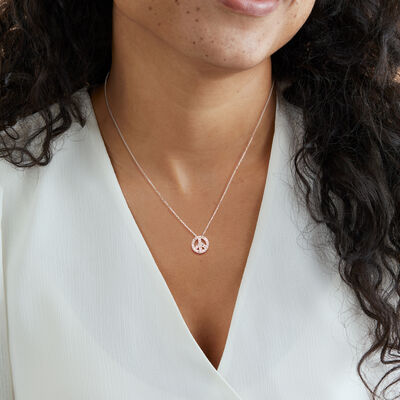
Peace Sign
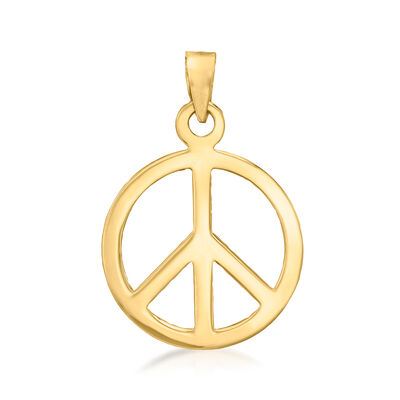
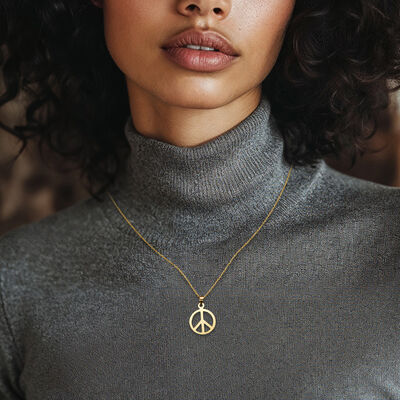
Incredibly popular, yet fairly modern in its origins, the peace sign has become the universal symbol for world peace. It was designed by Gerald Holtom in 1958, specifically created for the British Campaign for Nuclear Disarmament, and cleverly inspired by Flag semaphore, which is a communication system that uses flag waving and positioning. The vertical line is the semaphore signal for "N" (nuclear) and the downward V-shape means "D" (disarmament). Soon after, the peace sign was adopted as the icon for the American counterculture movement during the Vietnam War. Since then, it has remained a cultural fixture in fashion, tattoos, jewelry and countless novelty items.


Save Big on Bold Styles!


Save Big on Bold Styles!
Star of David
A meaningful symbol of faith, the Star of David features two overlapping equilateral triangles believed to resemble the shape of King David’s shield. Today, this special emblem is largely associated with Israel and Jewish faith and culture, though it has also been used in other religions in the past. It is most popularly worn as a pendant.
Tree of Life
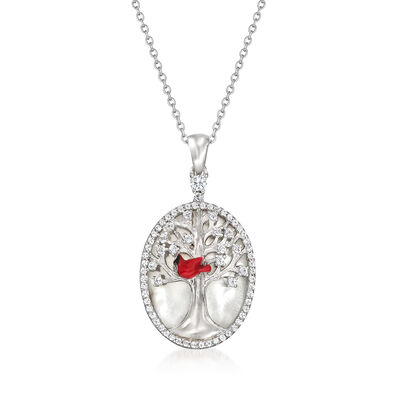
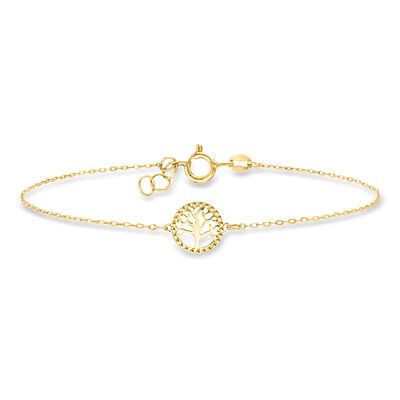
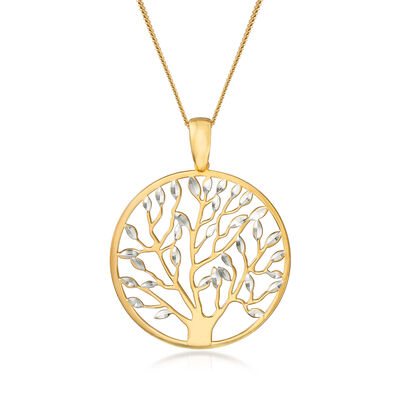
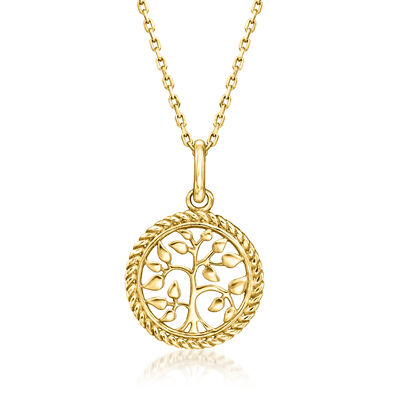
One of the most universally recognizable symbols, the Tree of Life has connections to family, religion, philosophy, mythology and even science. The symbol depicts a tree with many intricate branches and is often framed by a circle. Cross-culturally it represents the interconnection between all life on earth. Because of the intricacy of the design, the Tree of Life looks best on pendants or large charms.


Save Big on Bold Styles!

Save Big on Bold Styles!




Save Big on Bold Styles!

Save Big on Bold Styles!
Save Big on Bold Styles!
Save Big on Bold Styles!
Wishbone
The term "wishbone" comes from an early 17th-century after-dinner game where two people would pull on either end of a forked clavicular bird bone. Whoever snapped the larger piece was granted a wish. It has since then become a superstitious symbol of good fortune that’s often featured in jewelry, including earrings, rings, pendants and even pins.