800-835-0919
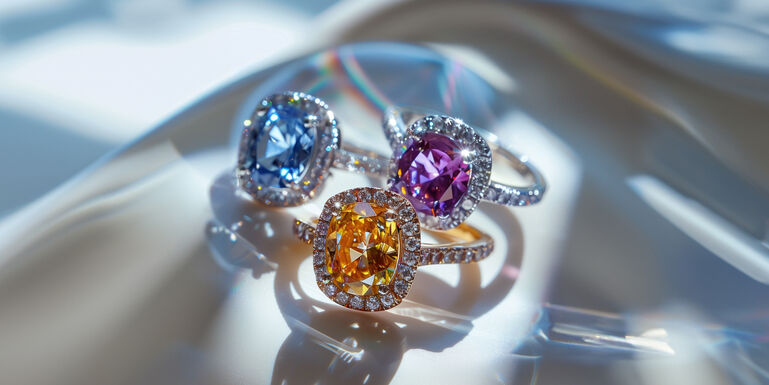
Gem-quality apatite is prized for its wide range of striking shades, including blues, greens, yellows and violets. Nature is to thank for apatite's varied color spectrum as the gemstone gets its hue from the presence of rare earth elements and natural irradiation.
Apatite comes from the Greek word "apate" meaning deceit, most likely due to the gemstone's similarity to other stones such as topaz, tourmaline and peridot.
All of apatite's shades add a distinctive shimmer to jewelry designs. Light green apatite has been referred to as "asparagus stone", while some of the blue and yellow apatite show off a "cat's eye" effect — tiny parallel inclusions that give the appearance of a thin line, resembling a cat's eye. Vibrant neon blue and green shades have recently been discovered in Madagascar, making apatite a popular choice for contemporary earrings and necklaces.
Apatite is believed to enhance meditation, insight and creativity.
Visit the Ross-Simons' web site to browse our collection of original apatite jewelry. With designs ranging from whimsical to elegant, there's apatite jewelry to suit every taste, every occasion. Log on today and find your favorite!
Our buyers favor the blue-green shades of apatite jewelry that call to mind visions of sea and sky. Because apatite is on the softer side, the gemstone is most often used in necklaces and earrings. Apatite adds a luminous shot of color to jewelry settings and suits all types of designs — from whimsical to elegant. Apatite is beautifully complemented by sterling silver, white or yellow gold.
The mineral apatite is found all around the world, but is primarily sourced from Brazil, Burma and Mexico.
Apatite is a relatively soft gem (5 on the Mohs scale) so proper care should be taken to avoid sharp blows and scratches during wear. Clean with a soft cloth and warm soapy water. When not in use, apatite jewelry should be stored in your Ross-Simons presentation box.

20120524-1420-13-DAZZLE